
Describing a picture
How do you describe a picture in English?
Describing a picture is one of the easiest ways to start speaking: what to say is right in front of you. Below you'll find four steps, phrases for your level, two examples and every scene you can practise out loud.
Four steps
Describe the picture in order
Instead of listing random objects, follow this order and your description will be fluent and easy to follow.
- 1
Start with the big picture
Say where the picture is set and who you can see, in a sentence or two.
- 2
Describe the people
Say what everyone is doing in the present continuous: “The man is pouring tea.”
- 3
Say where things are
Say where the details are: on the left, on the right, in the middle, in the background.
- 4
Interpret
What might have happened, how do the people feel, what will happen next? Give reasons for your guesses.
Phrases
Useful phrases for your level
A1–A2
Beginner
Say what you see and describe what people are doing in the present continuous (am/is/are + -ing).
- In this picture, I can see…
- There is a… / There are some…
- The man is pouring tea.
- On the left… / On the right… / In the middle…
- It's a sunny day.
B1
Intermediate
Interpret what you see: why might it have happened, how do the people feel? Give reasons for your guesses.
- It looks like…
- He might be… / She's probably…
- I think they're…, because…
- In the background, there's…
- Maybe something went wrong.
B2–C1
Advanced
Move from details to the bigger picture, weigh up possibilities and connect it to your own experience.
- It seems as though…
- Judging by…, I'd say…
- What strikes me most is…
- It's hard to tell, but…
- This reminds me of…
Examples
Two example descriptions
The same method at two different levels.

A2Breakfast table
This is a family at breakfast. They're in a sunny kitchen. On the left, the father is pouring tea. Next to him, the little boy is yawning — I think he's still sleepy. The mother is cutting bread, and on the right, the girl is spreading jam on her bread. On the table, there is cheese, olives, tomatoes and some eggs.Why it works: It starts with the place and the people, then says what everyone is doing in the present continuous, using “on the left” and “next to him” to show where things are.
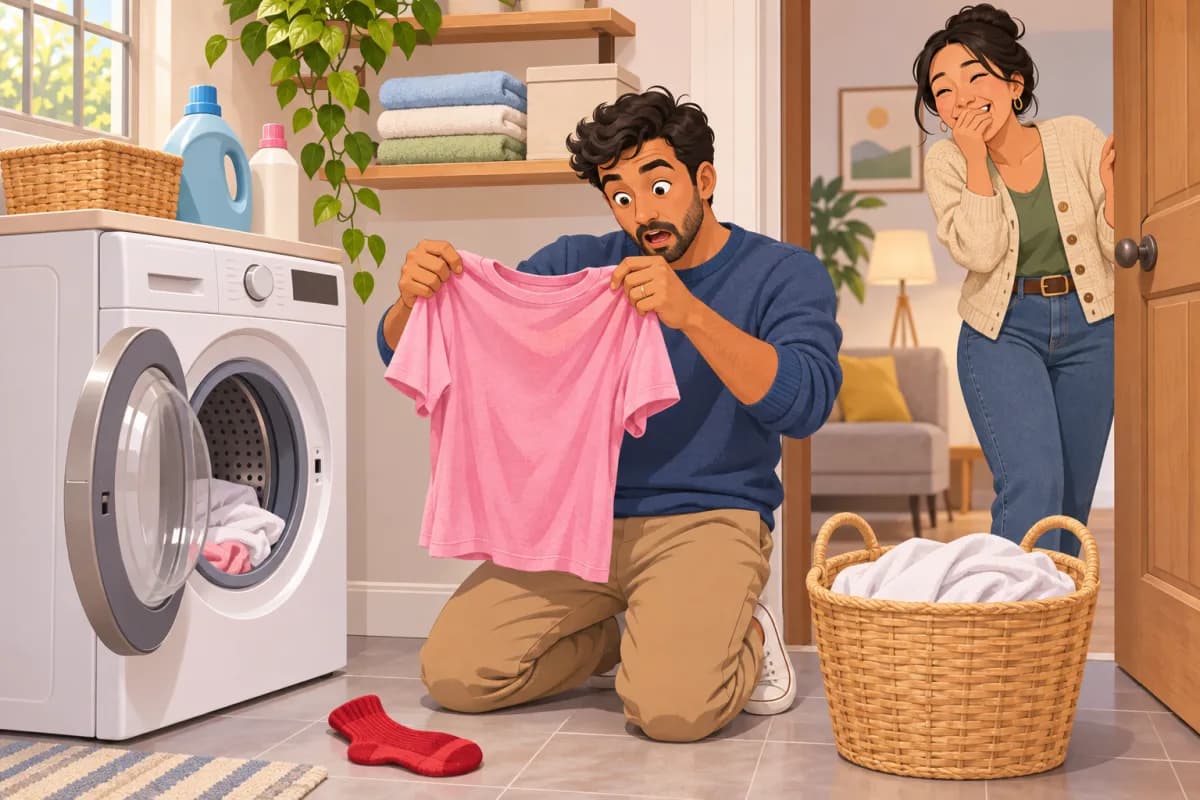
B1Laundry day
A man is kneeling in front of the washing machine and holding a pink T-shirt. He looks really surprised. I think the T-shirt was white before. There's a red sock on the floor, so he probably washed them together by mistake. The woman in the doorway is laughing — maybe she warned him before!Why it works: It doesn't just describe: it uses a clue (the red sock) to work out what happened and makes guesses with “probably” and “maybe”.
Scenes
100 scenes you can describe out loud
On babilspeak you describe each scene out loud to your partner, who can't see it and asks questions to help you say more. The scenes are grouped by topic.
Home and family
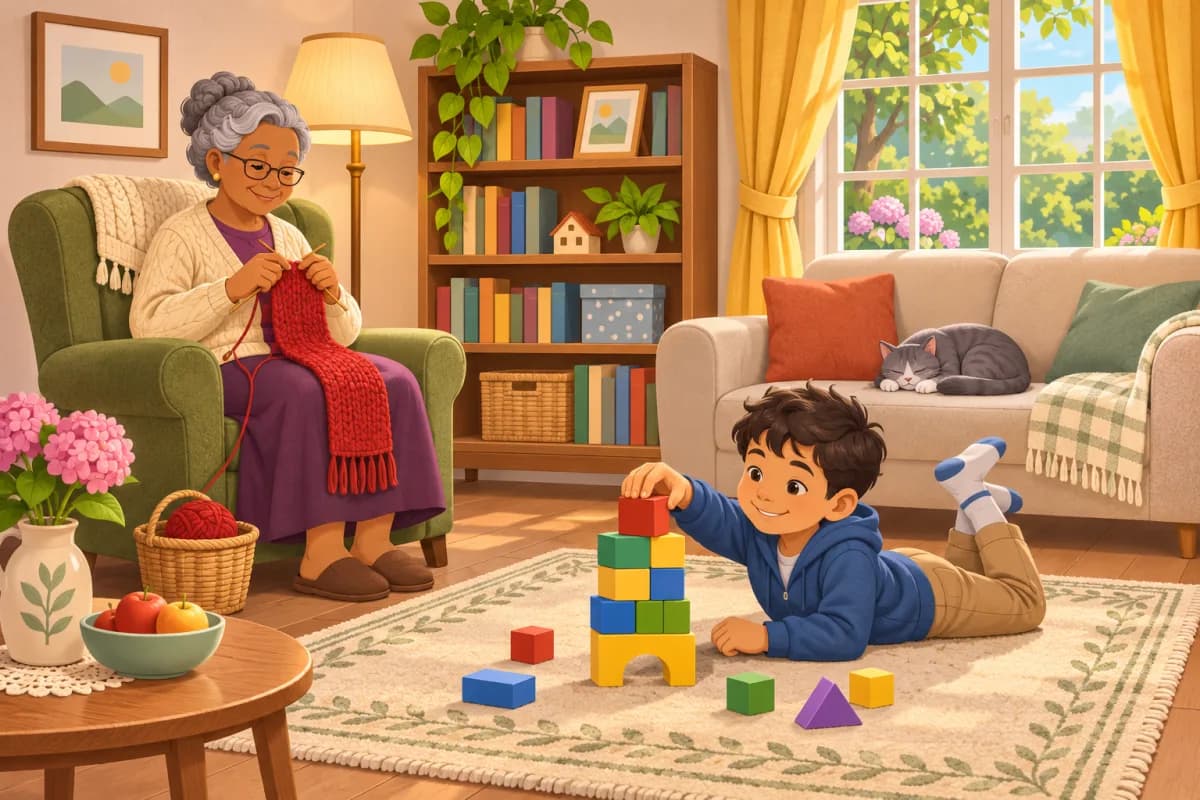
Living room
A1–A2
Breakfast table
A1–A2
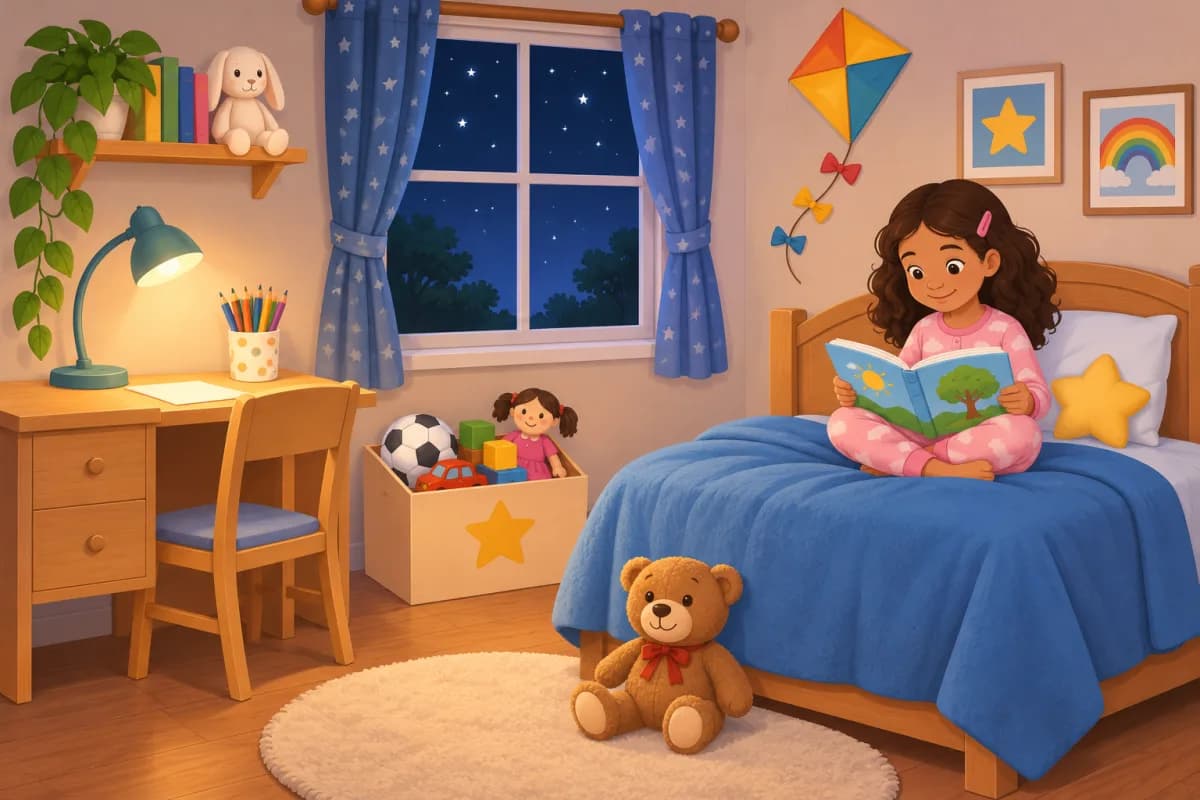
Child's bedroom
A1–A2
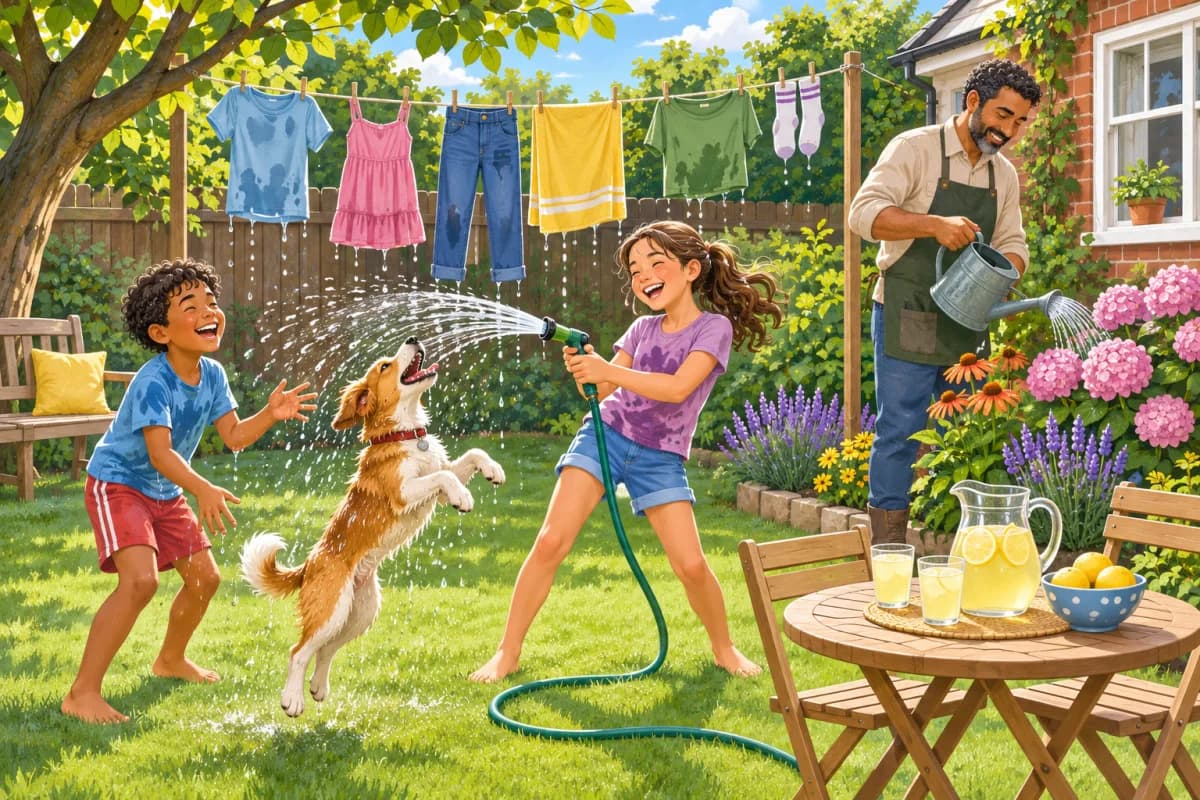
Playing in the garden
A1–A2
Laundry day
A2–B1
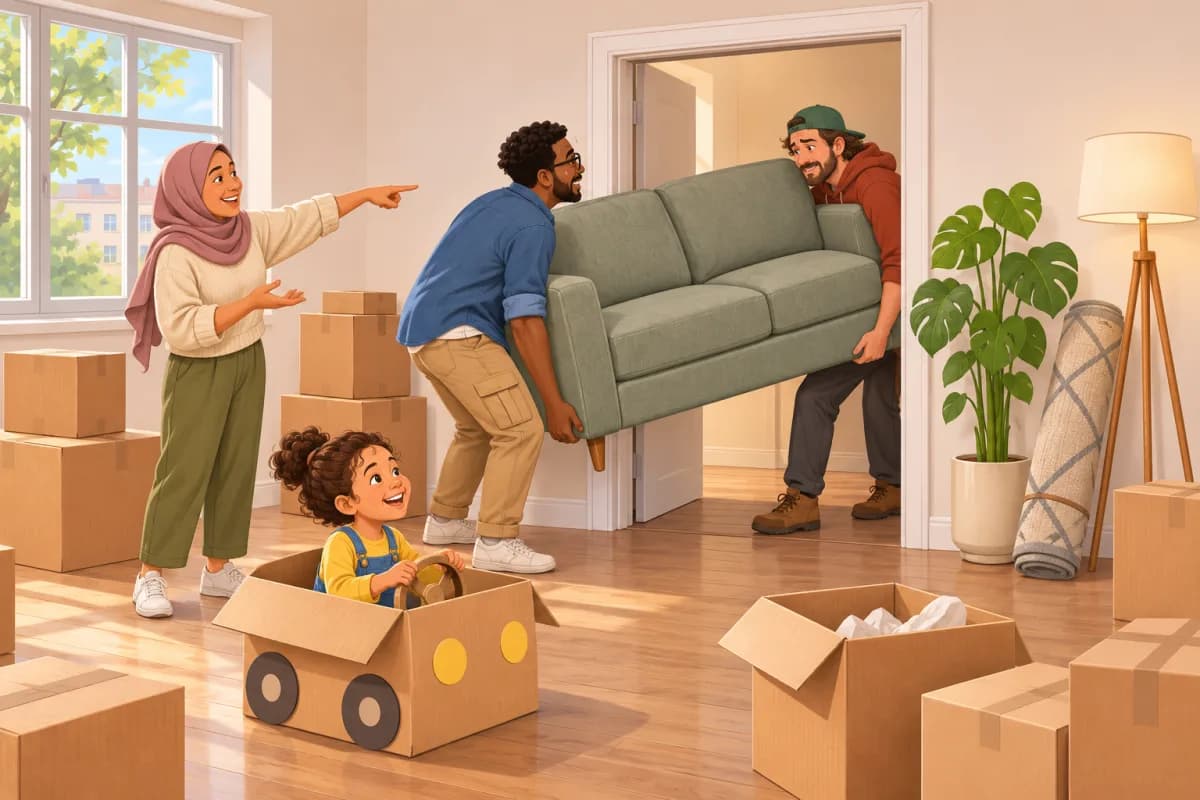
Moving day
A2–B1

Getting dinner ready
A2–B1
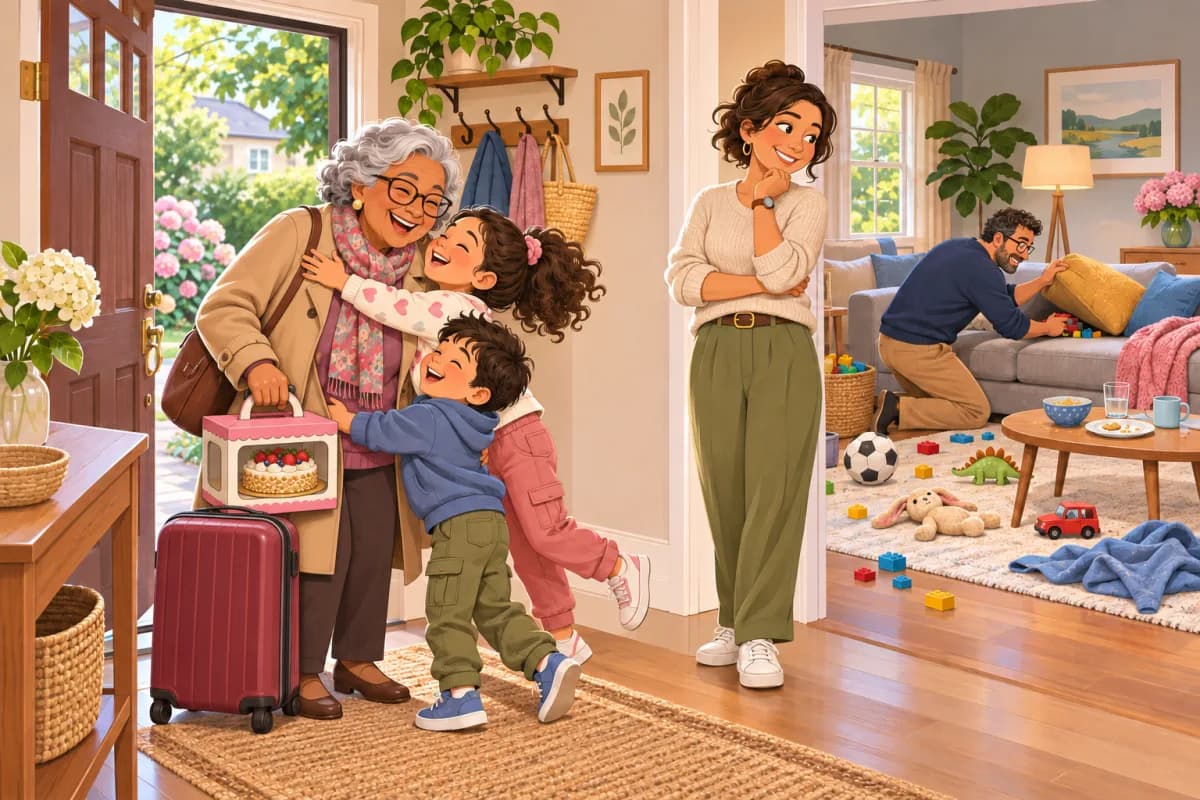
Visiting Grandma
B1–B2

Homework
B1–B2
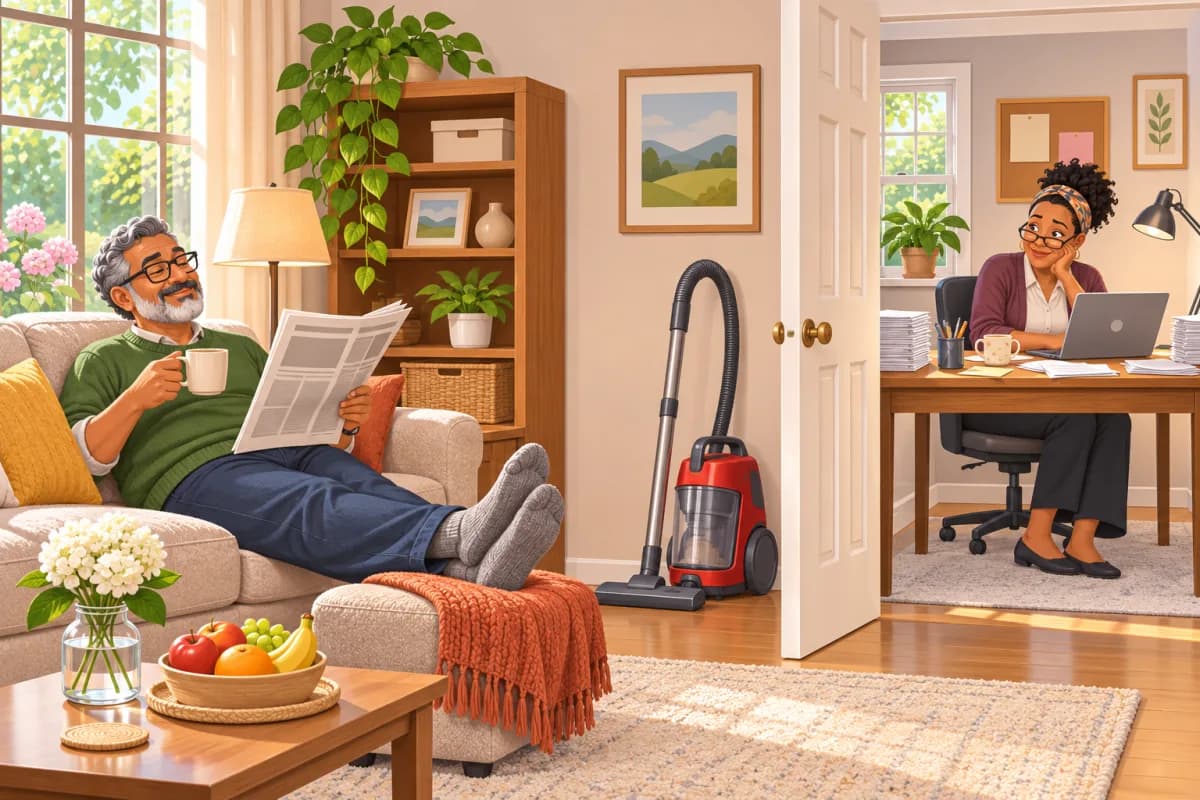
Sunday morning
B2–C1
Around town
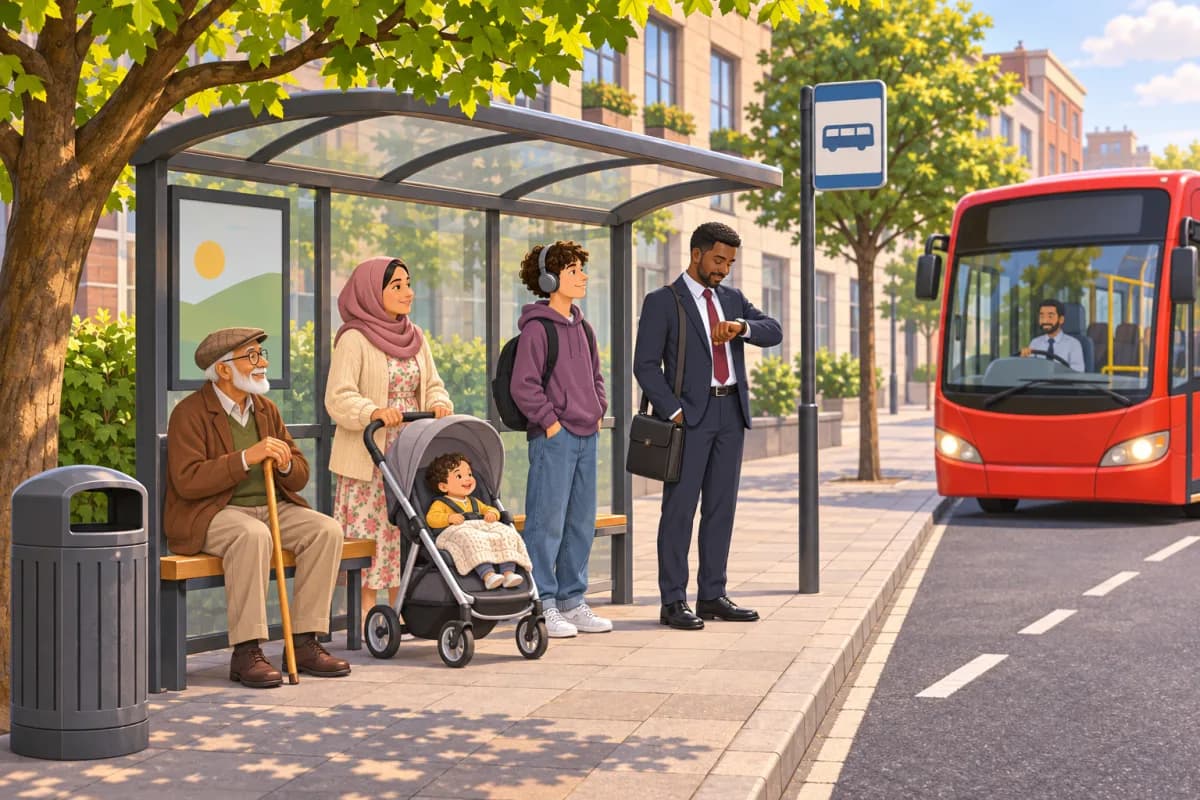
Bus stop
A1–A2
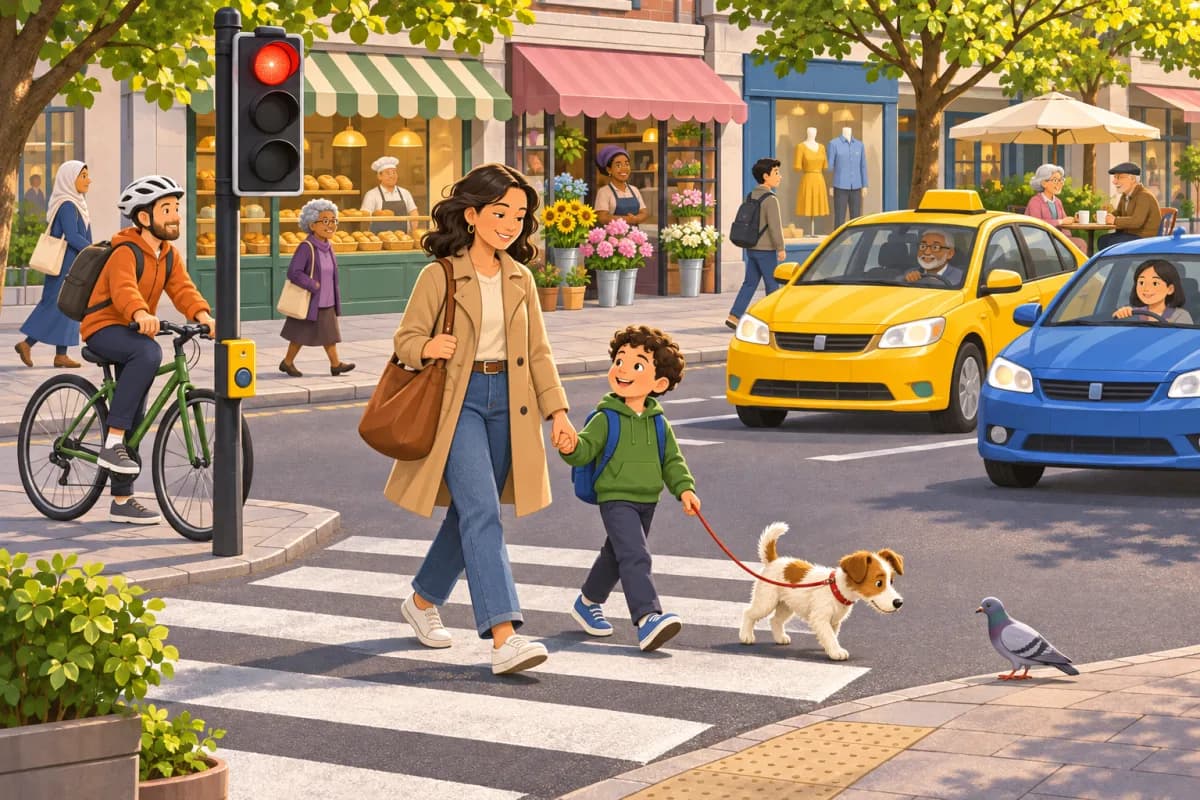
Pedestrian crossing
A1–A2

Local bakery
A1–A2

Lunch break in the park
A2–B1
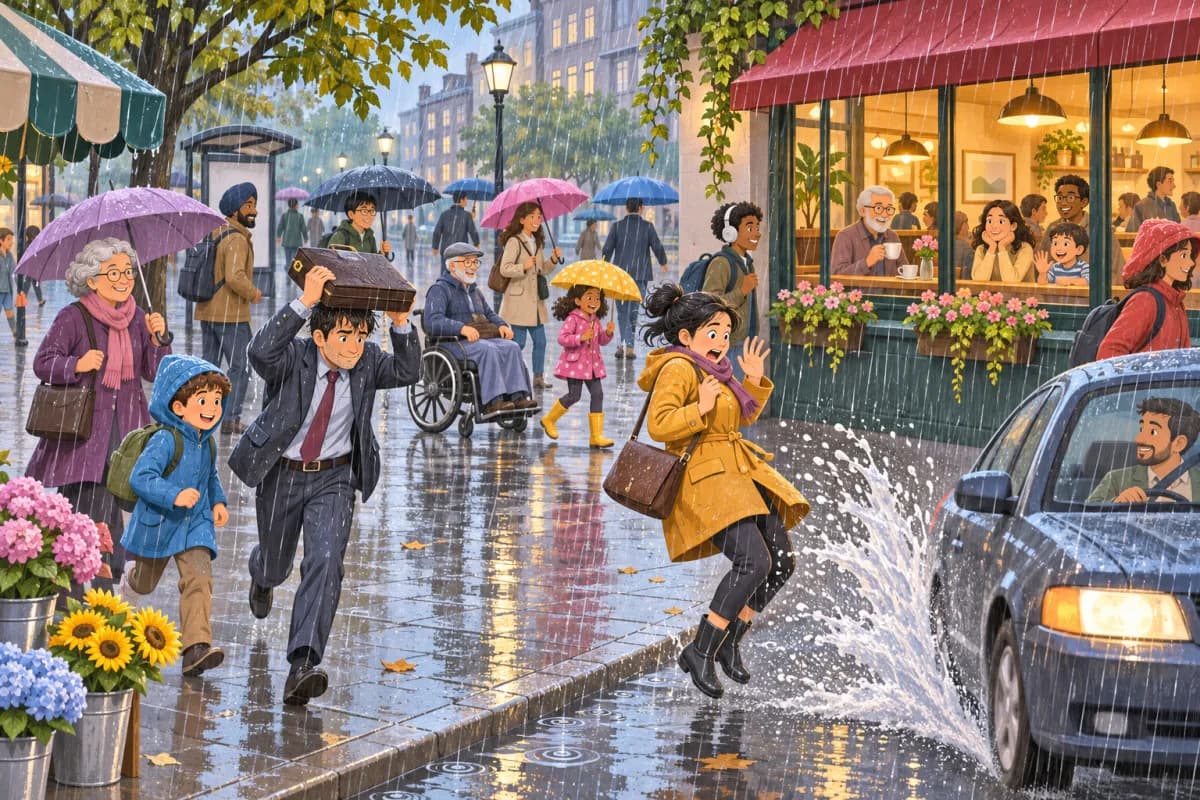
Rainy street
A2–B1

Neighbourhood market
A2–B1

Building site
B1–B2

Traffic jam
B1–B2

Lost tourists
B1–B2

Old and new
B2–C1
Nature and weather

A day at the beach
A1–A2

A snowy day
A1–A2

Farm
A1–A2

Forest walk
A2–B1

Campfire
A2–B1

Before the storm
B1–B2

At the summit
B1–B2

After the rain
B1–B2

Beach clean-up
B2–C1

Drying lake
B2–C1
Food and shopping

Supermarket
A1–A2

Cake shop
A1–A2

At the restaurant
A1–A2

Haggling
A2–B1

Checkout queue
A2–B1
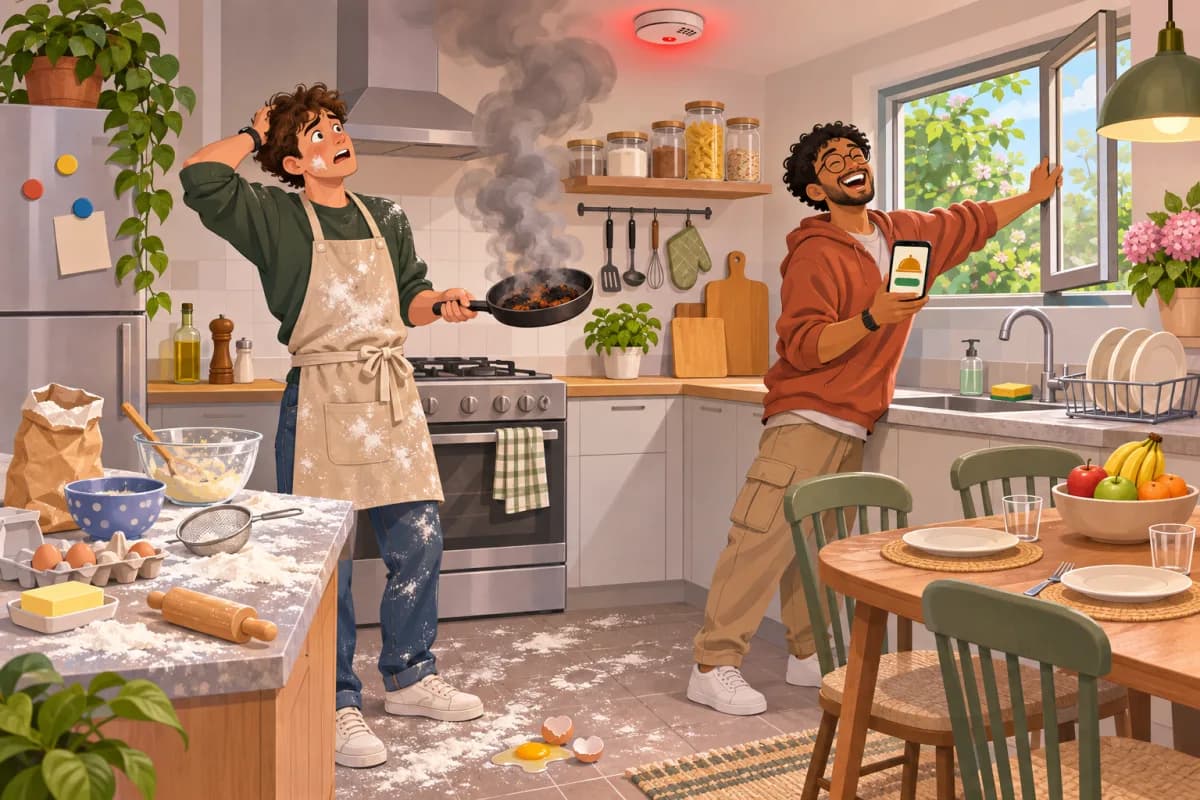
Kitchen mishap
A2–B1

Wrong order
B1–B2

Second-hand market
B1–B2
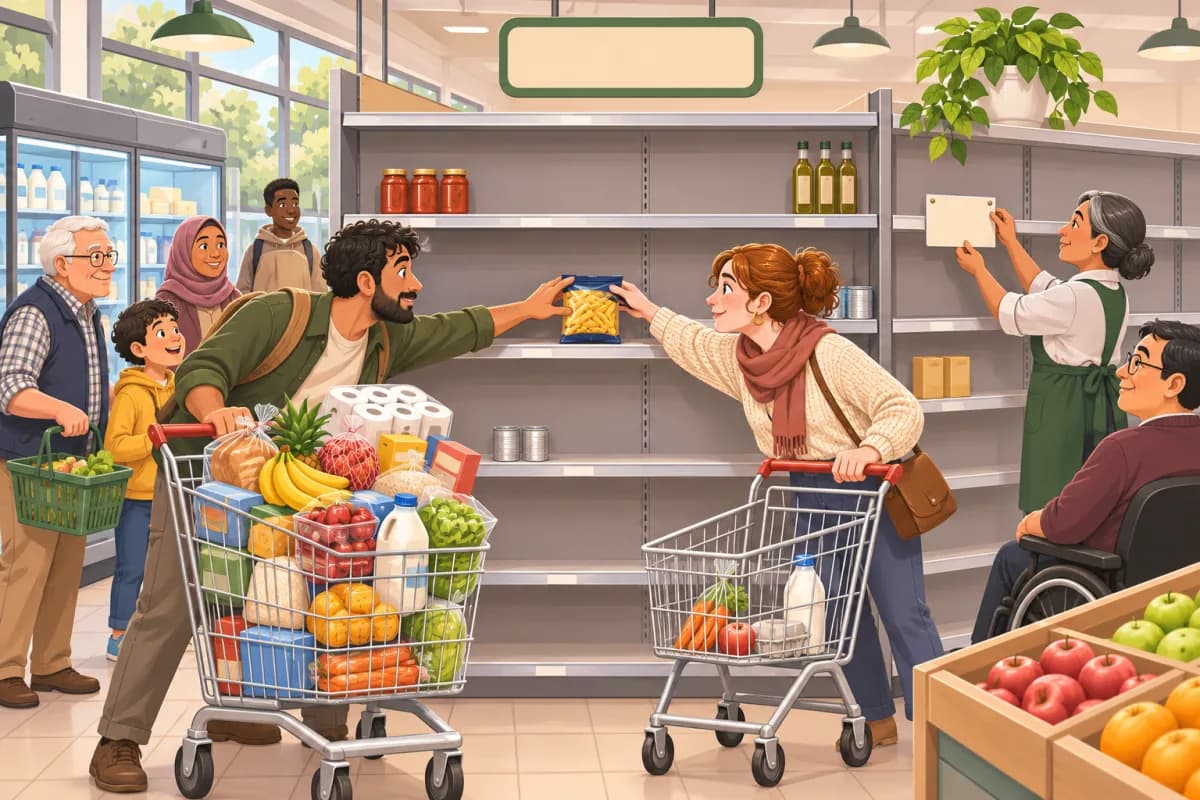
Empty shelves
B2–C1

The table and the bin
B2–C1
School and learning
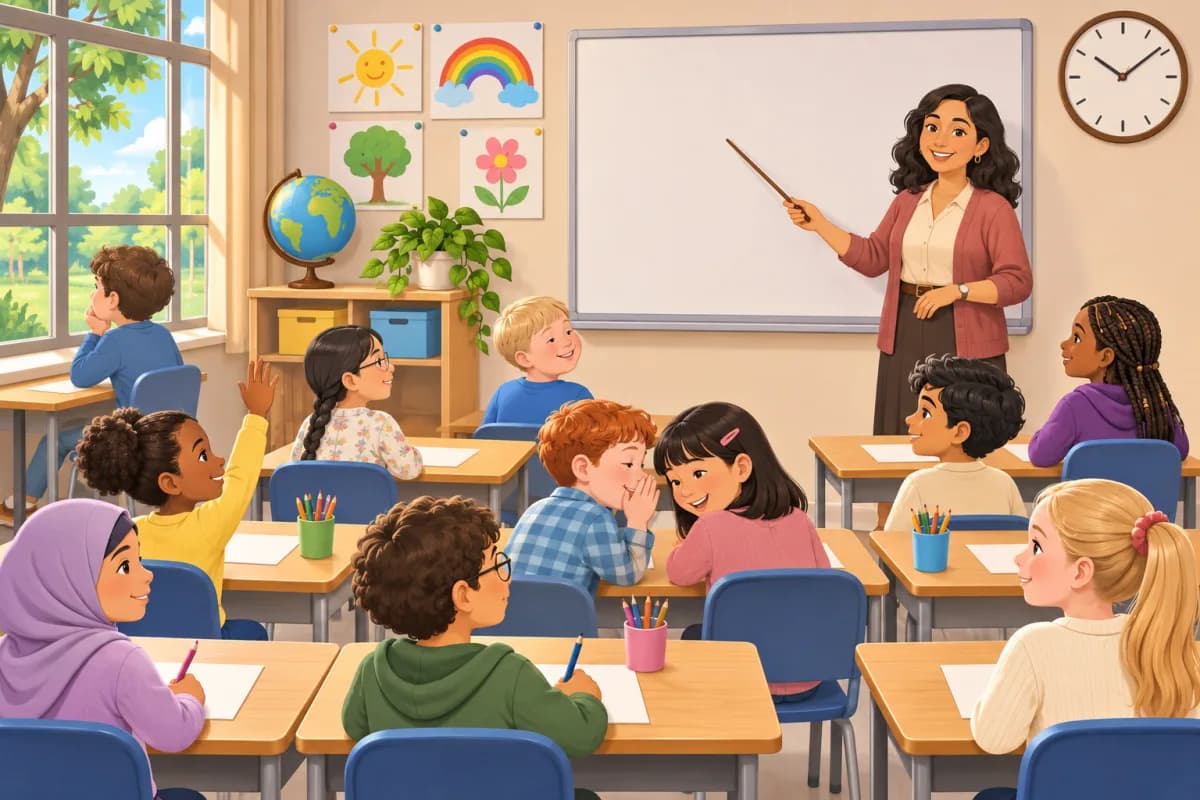
Class
A1–A2
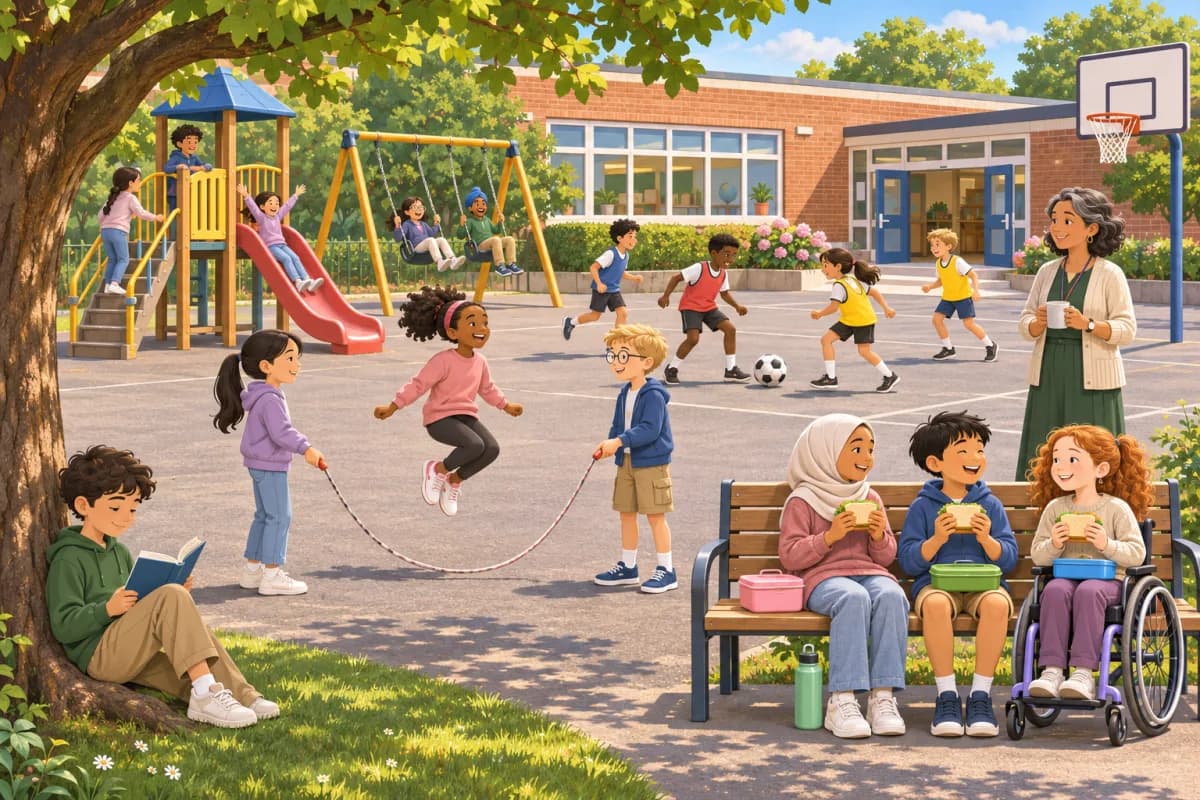
School playground
A1–A2

Library
A1–A2

Science experiment
A2–B1
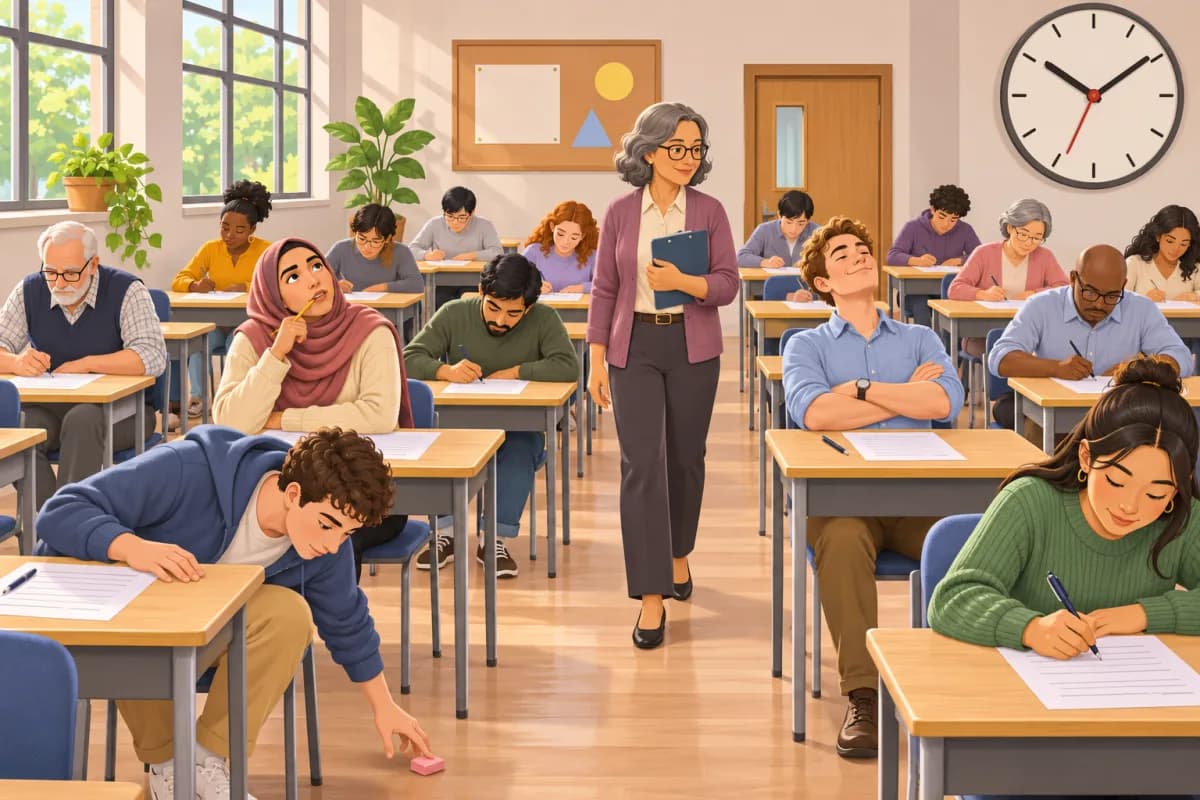
Exam day
A2–B1

School trip
A2–B1

Group work
B1–B2

Parents' evening
B1–B2

Lessons on screen
B2–C1

Graduation
B2–C1
Work and jobs
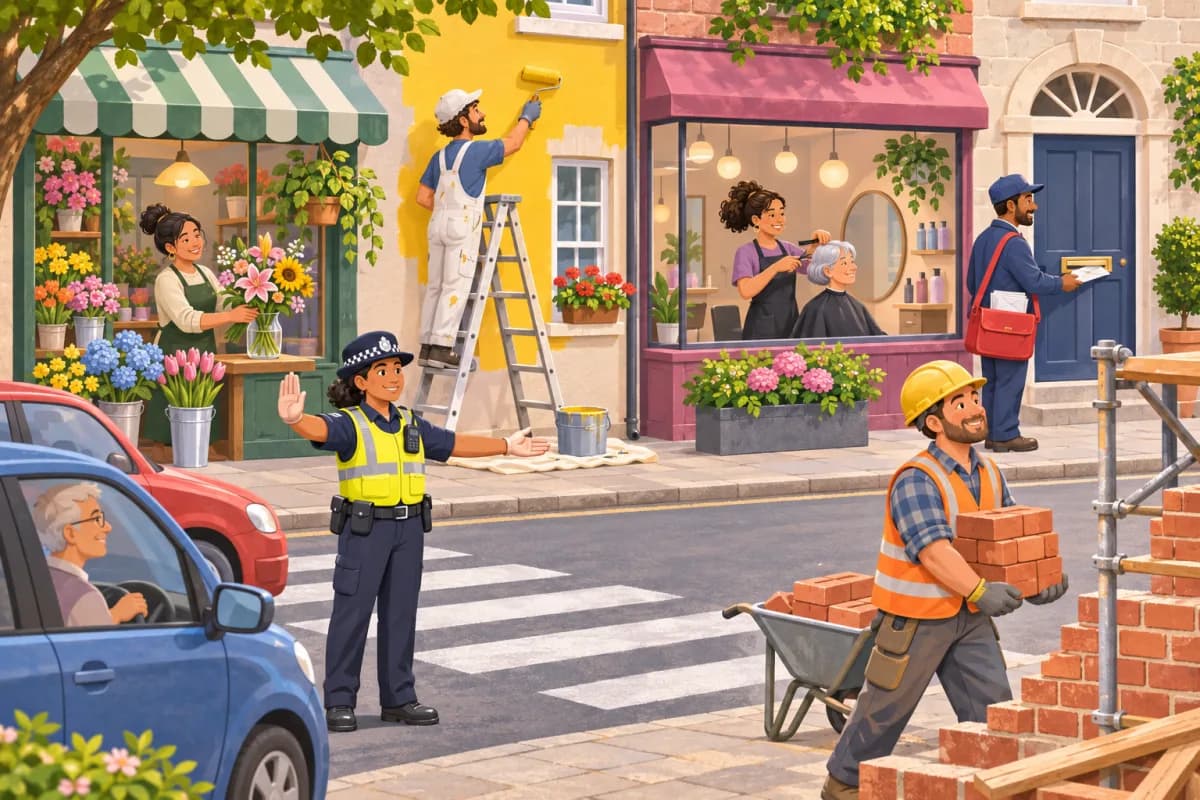
A street of jobs
A1–A2

Doctor's surgery
A1–A2
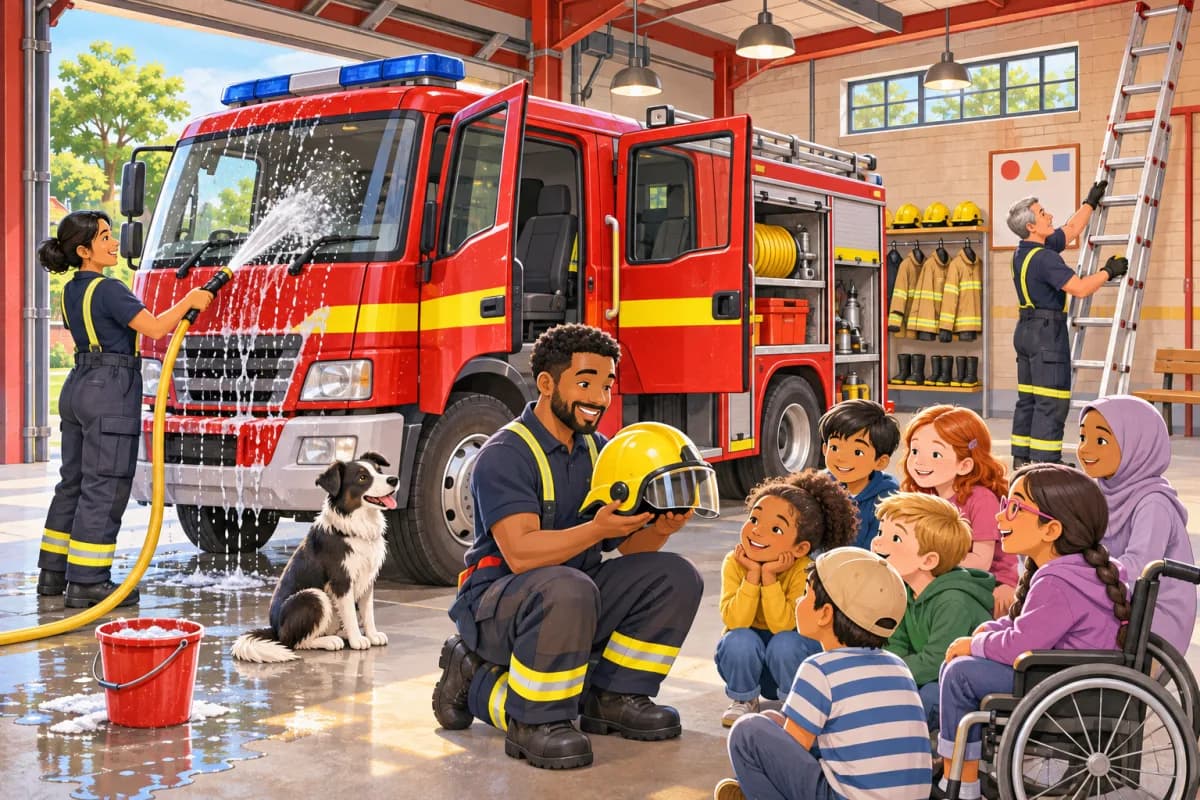
Fire station
A1–A2

Open-plan office
A2–B1

First day at work
A2–B1
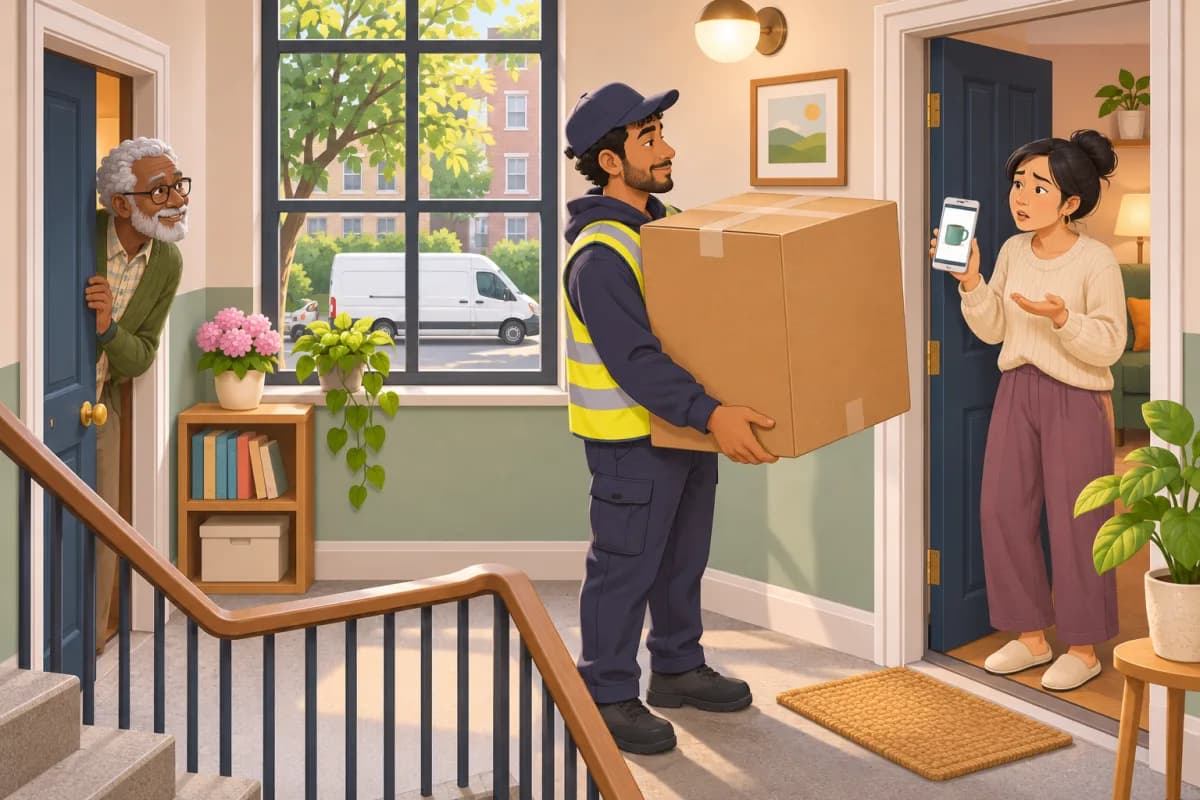
Delivery
A2–B1

Late at the office
B1–B2
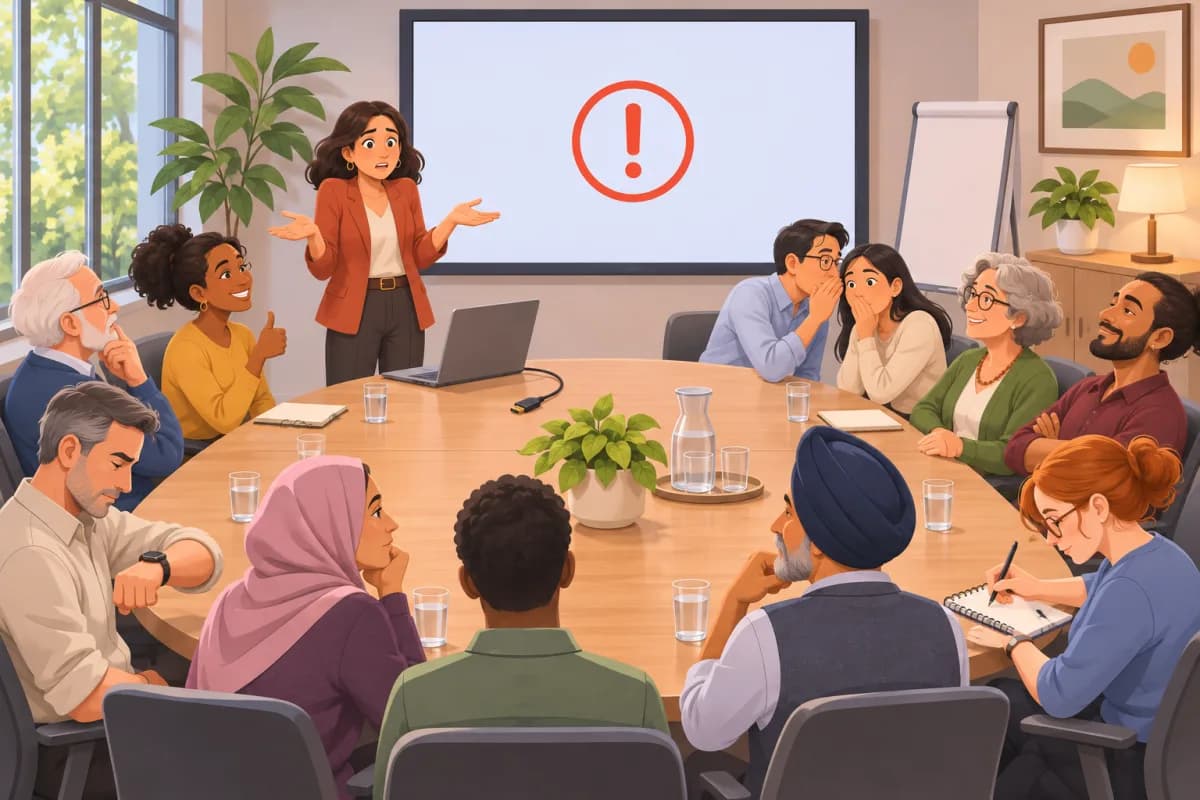
Presentation nerves
B1–B2

Waiting room
B2–C1

A new colleague
B2–C1
Travel and transport

Airport
A1–A2
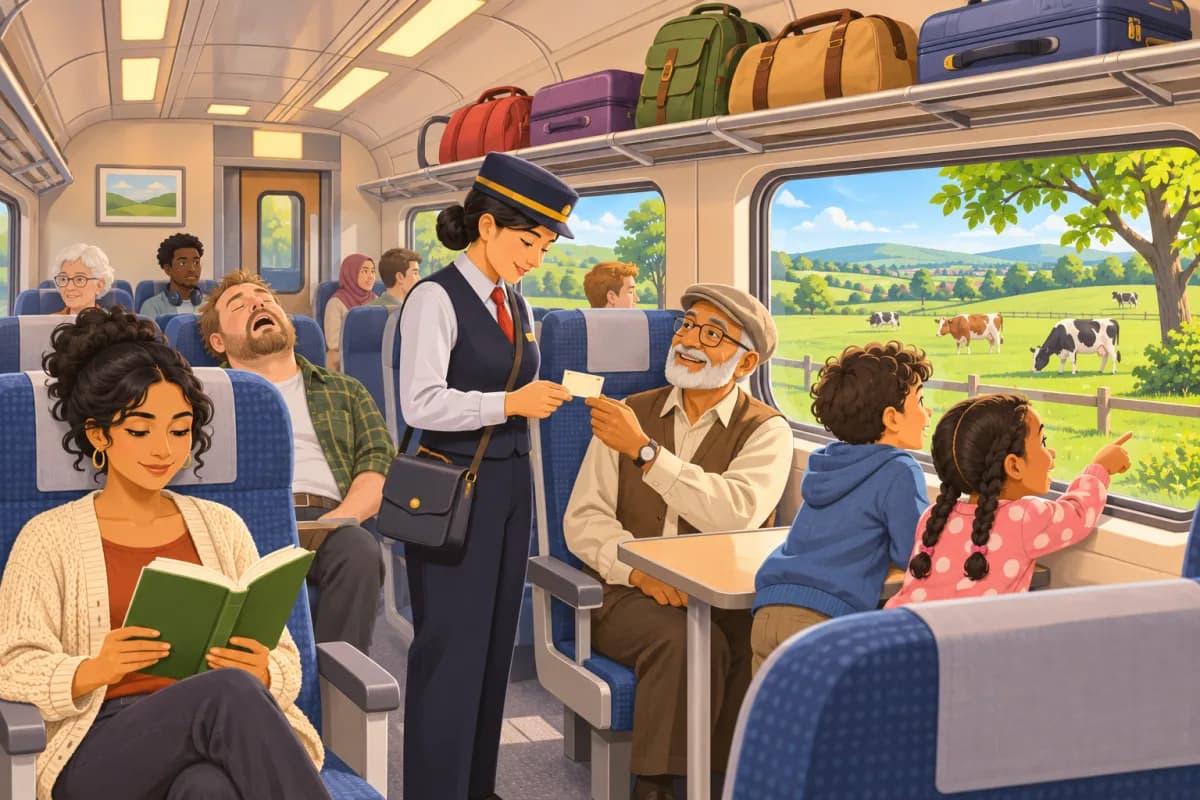
Train journey
A1–A2
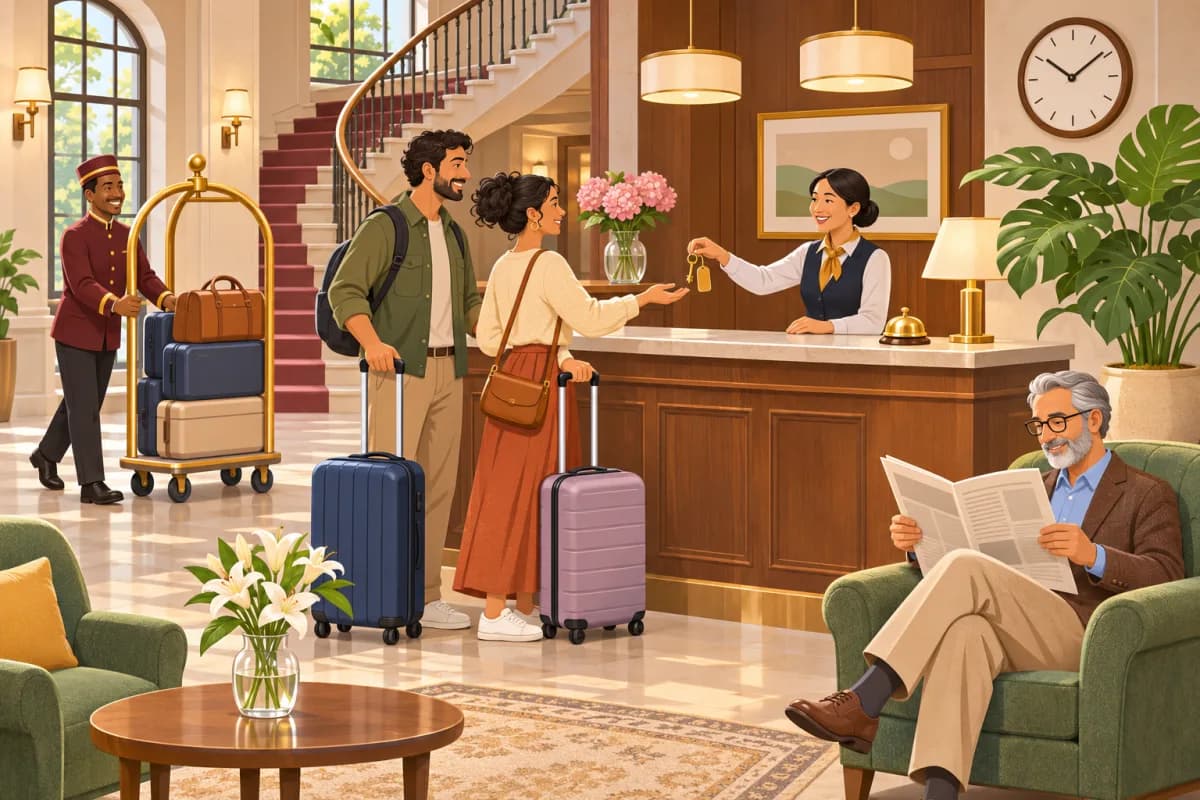
Hotel reception
A1–A2

Missing the bus
A2–B1

Suitcase mix-up
A2–B1
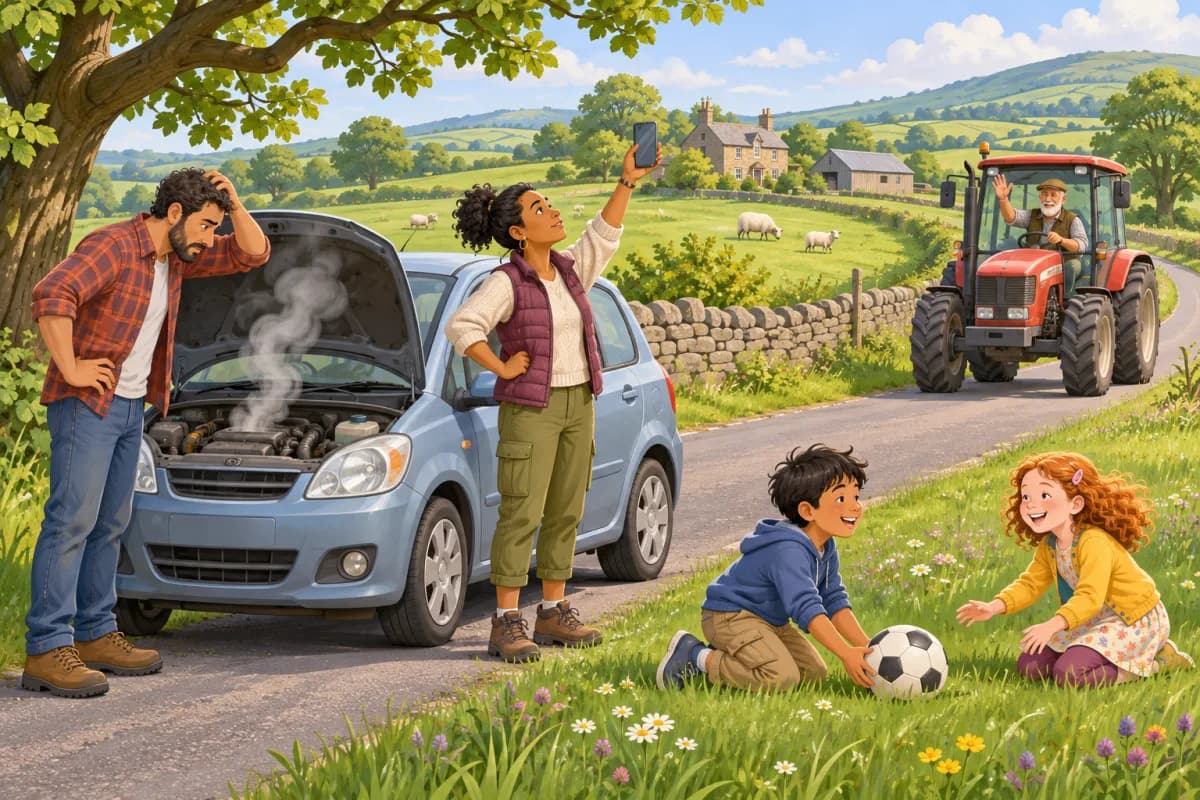
Breakdown by the road
A2–B1
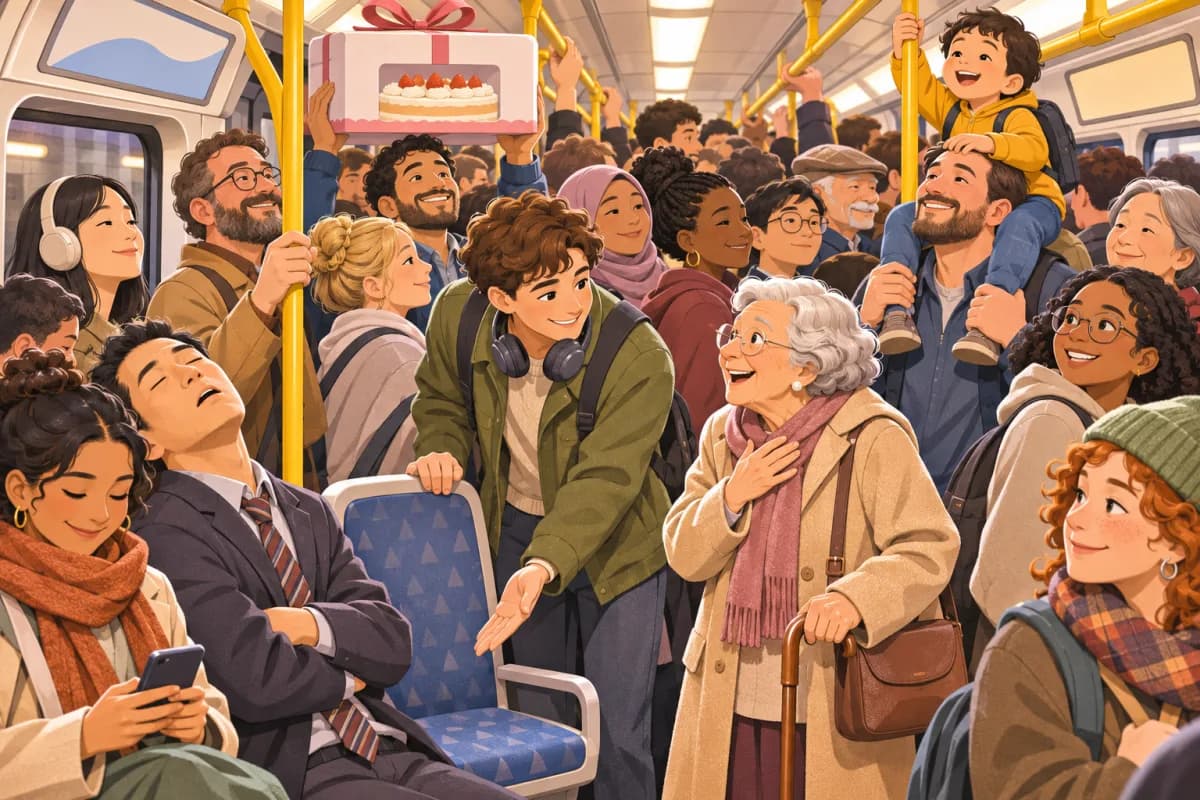
Crowded metro
B1–B2

Holiday photo
B1–B2

Saying goodbye
B2–C1

Two travellers
B2–C1
Sport and hobbies
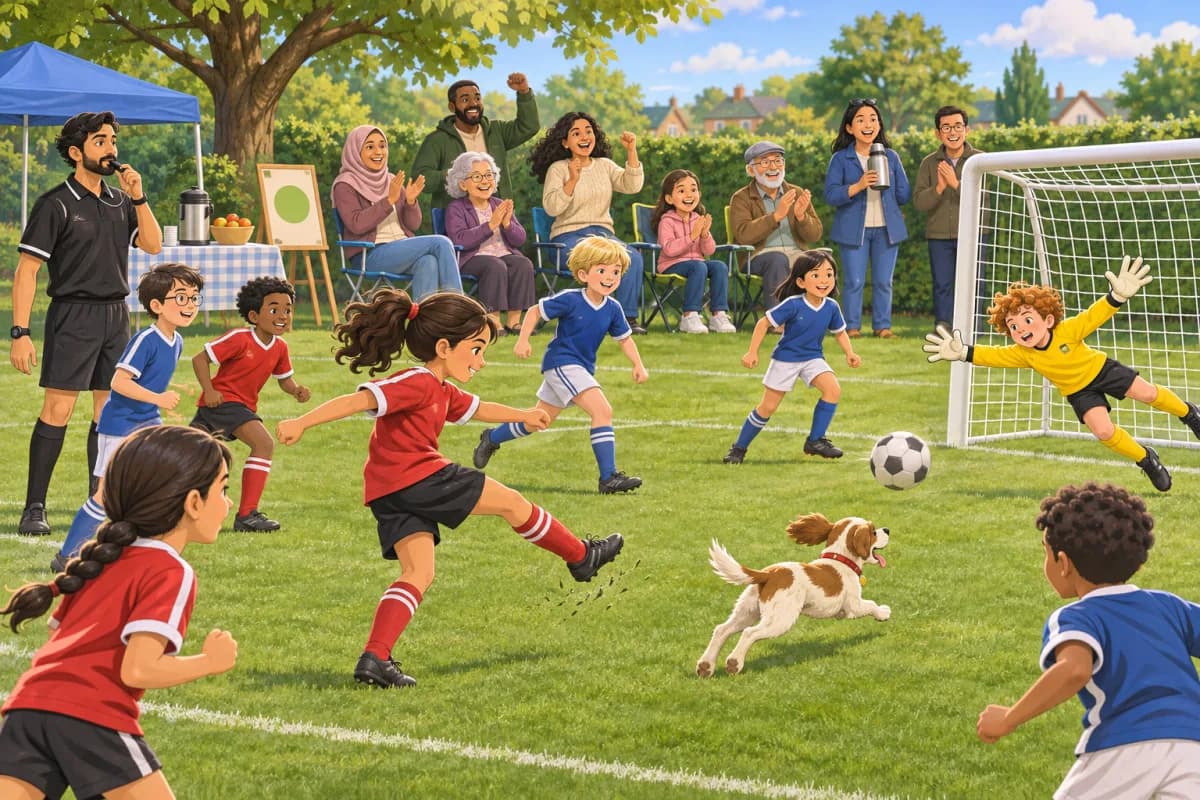
Football match
A1–A2

Swimming pool
A1–A2
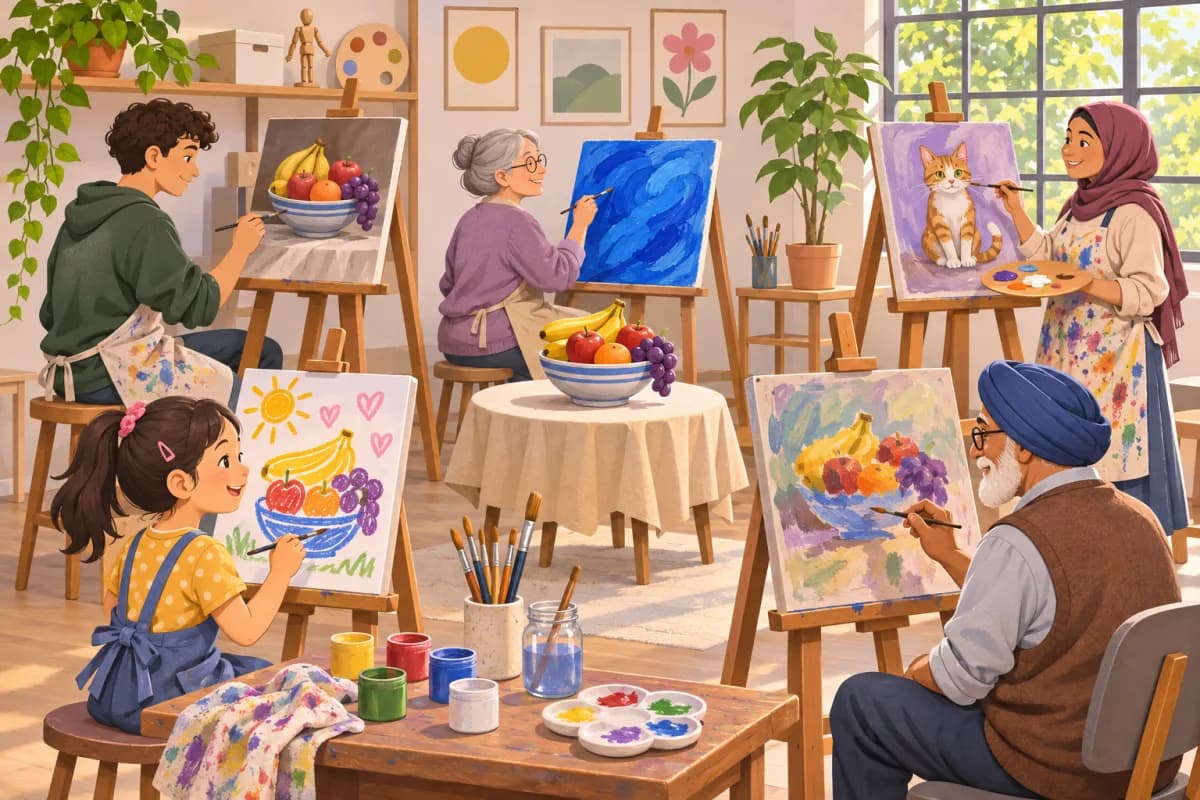
Art workshop
A1–A2
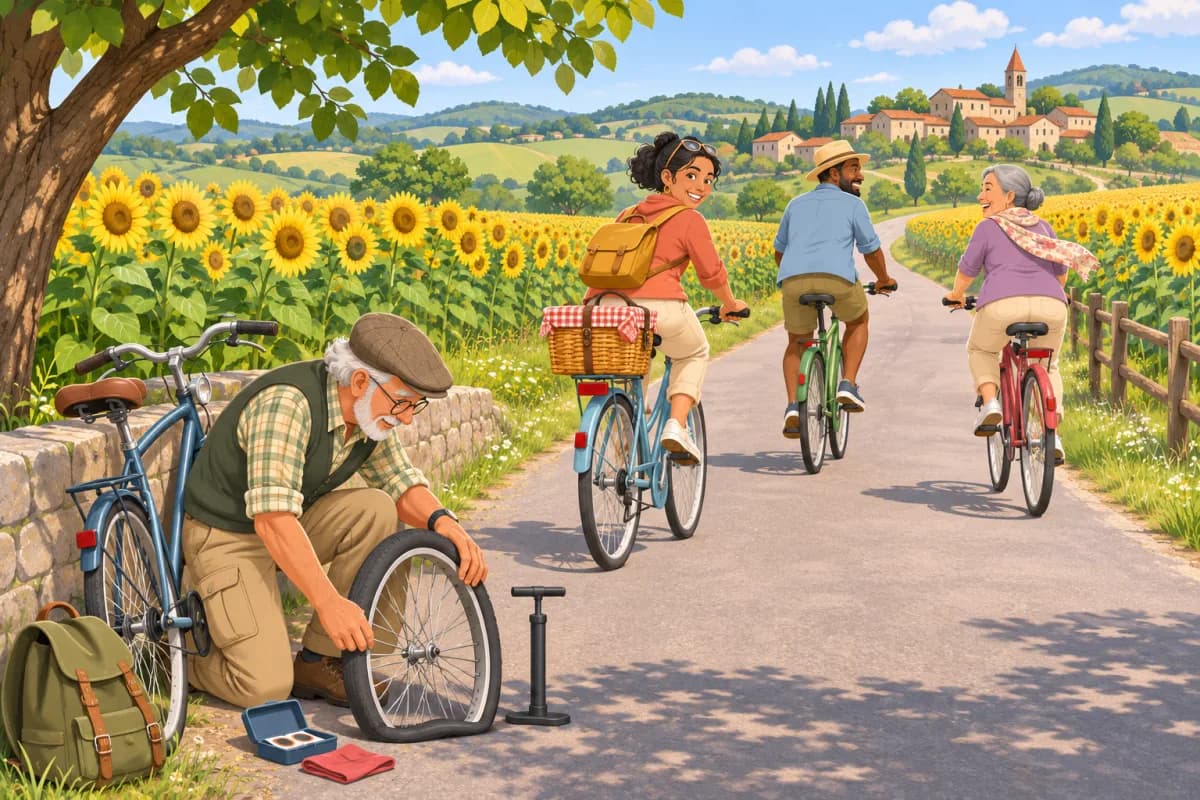
Bike ride
A2–B1
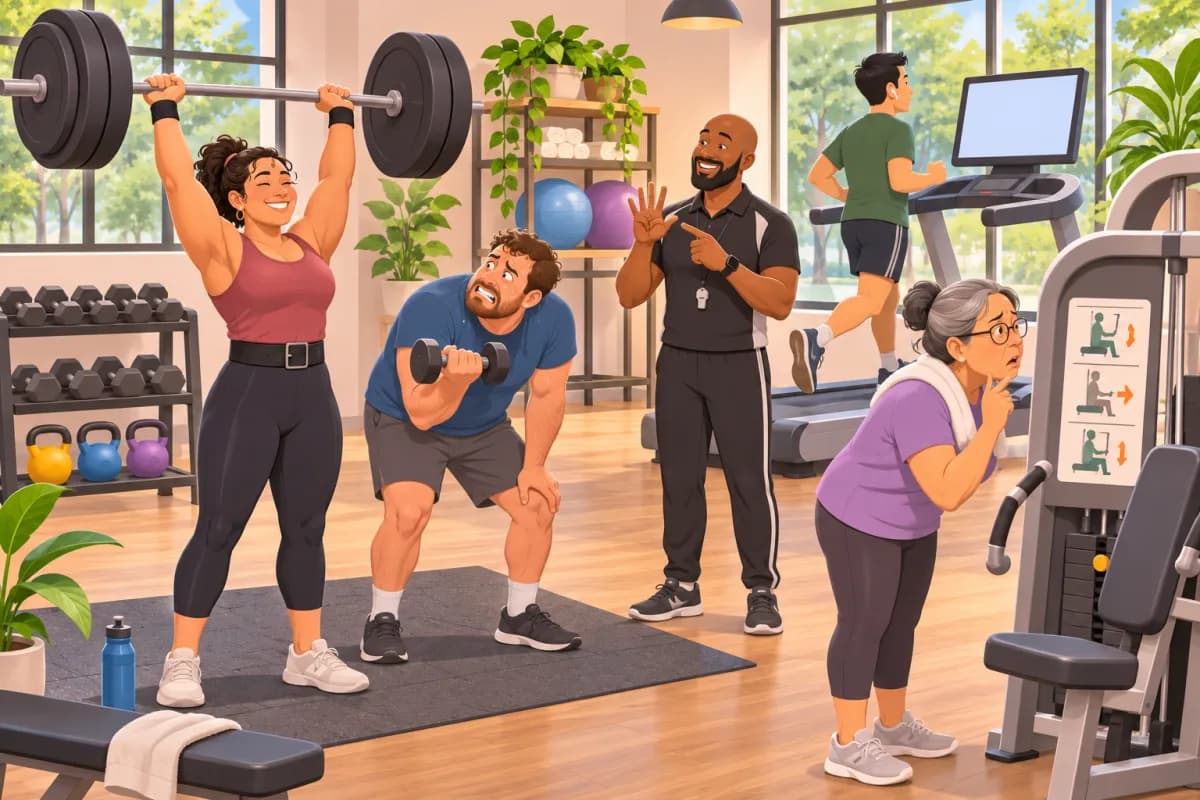
Gym
A2–B1

Fishing
A2–B1

Chess
B1–B2

Marathon
B1–B2

Concert
B2–C1

The trophy
B2–C1
Celebrations and events

Birthday
A1–A2
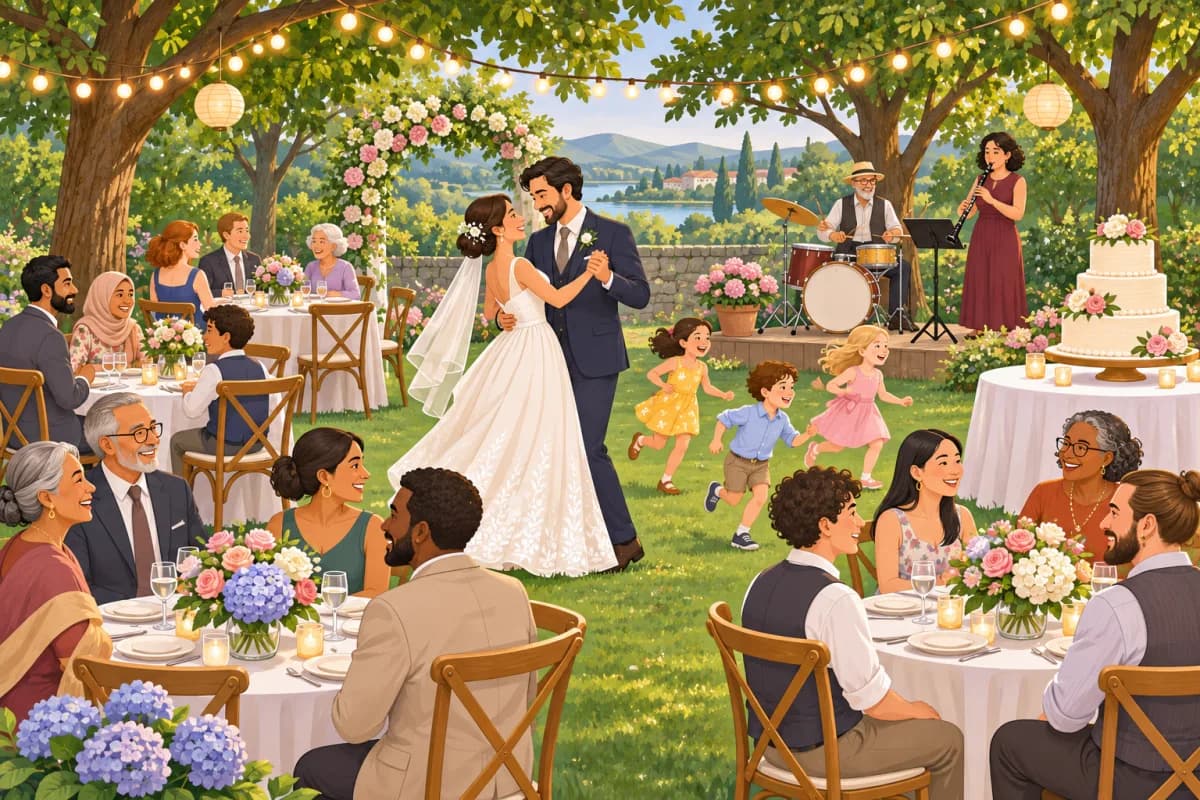
Wedding
A1–A2

Holiday visit
A1–A2
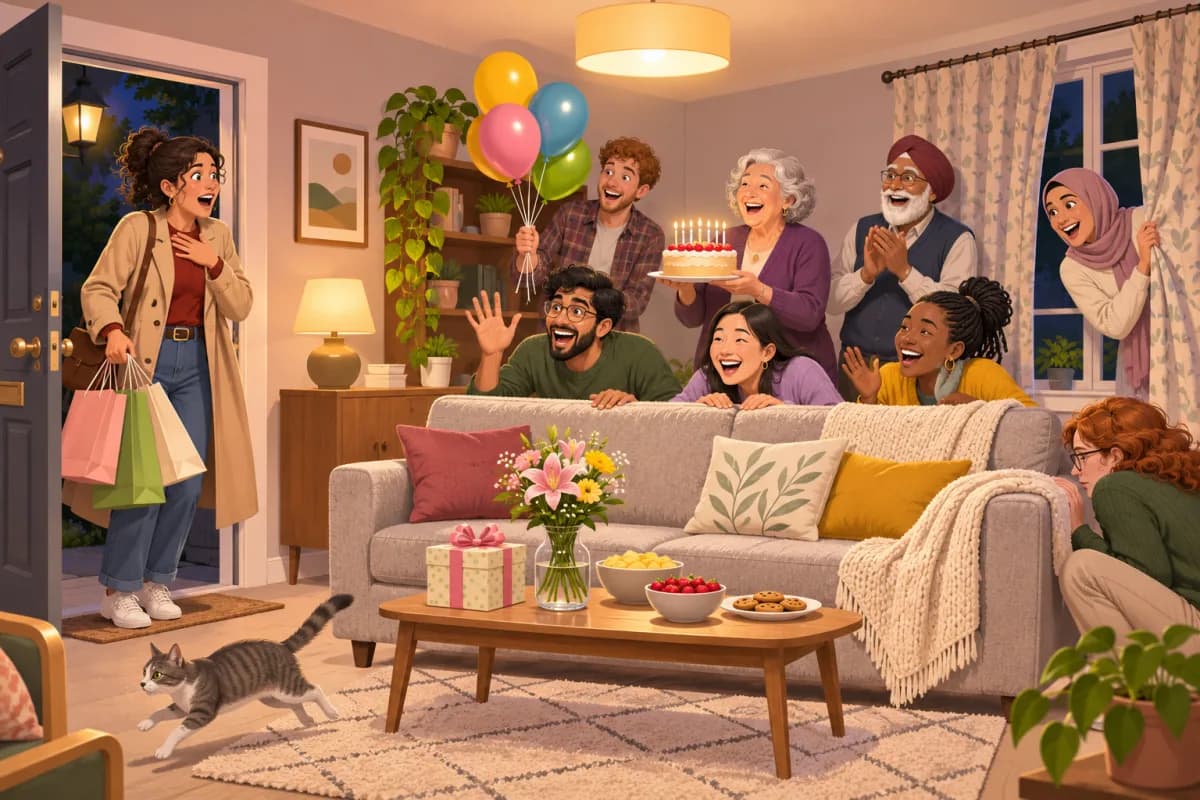
Surprise party
A2–B1

Neighbourhood picnic
A2–B1

New Year's Eve
A2–B1
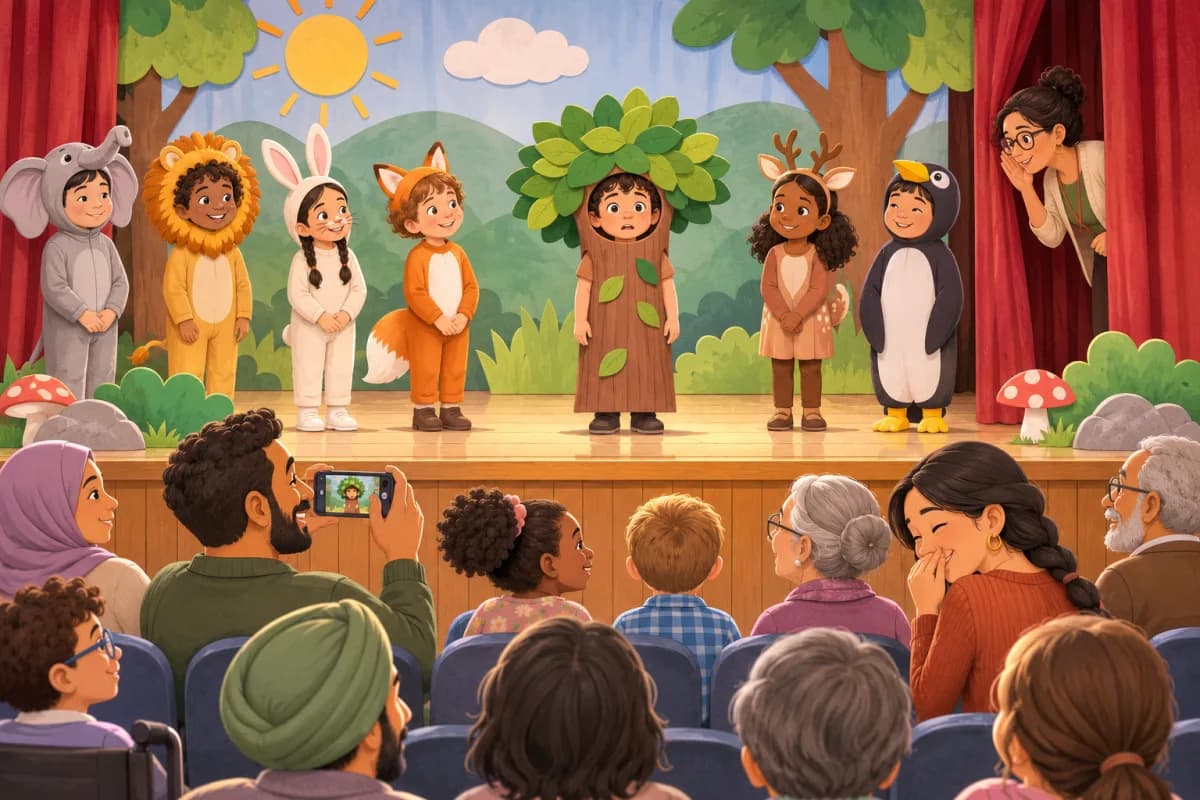
School play
B1–B2

Farewell party
B1–B2
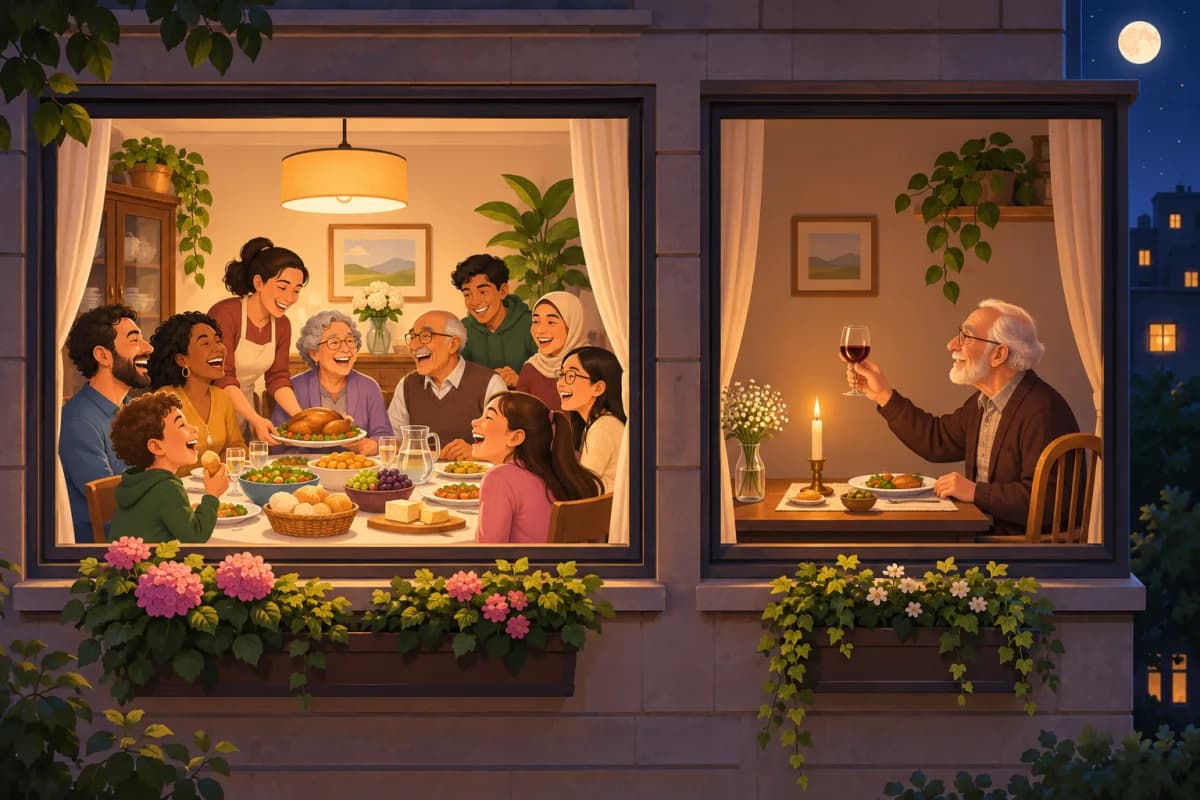
Two windows
B2–C1

In the crowd
B2–C1
Thought-provoking scenes

Two generations
B2–C2
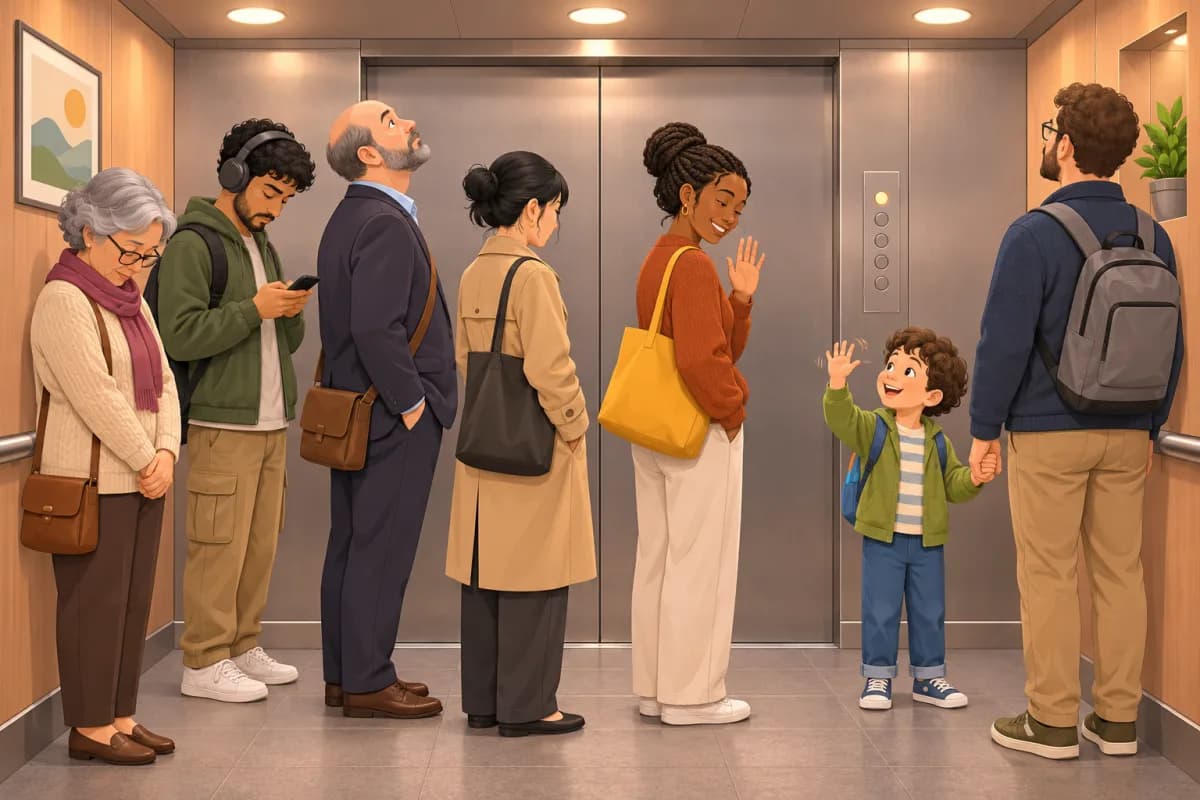
In the lift
B2–C2

Fork in the road
B2–C2
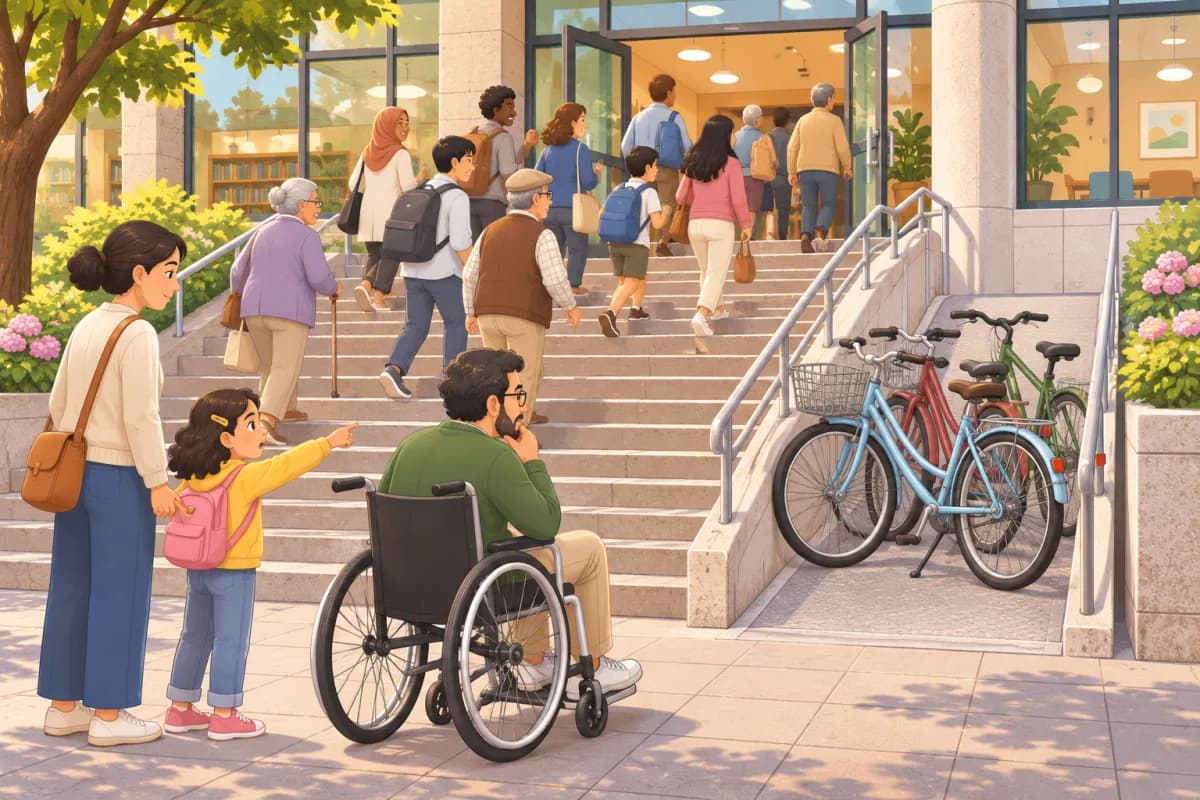
Stairs and lift
B2–C2
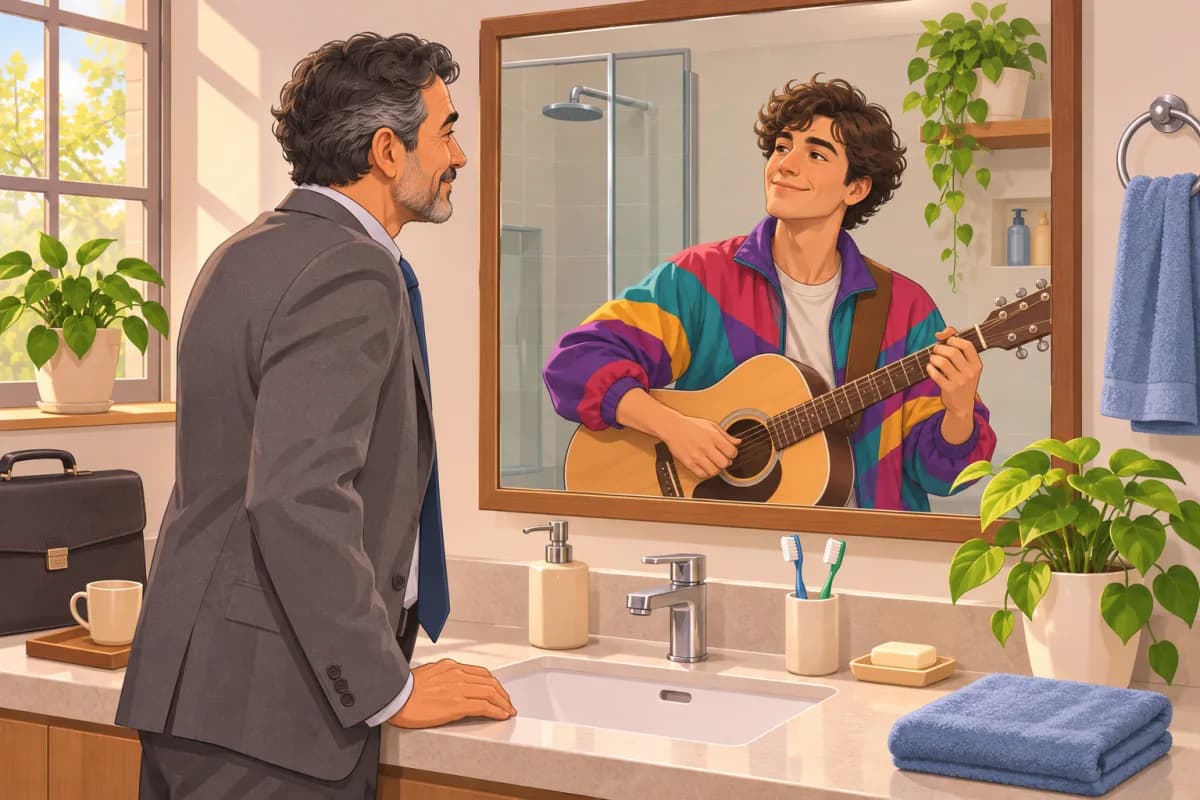
The mirror
B2–C2
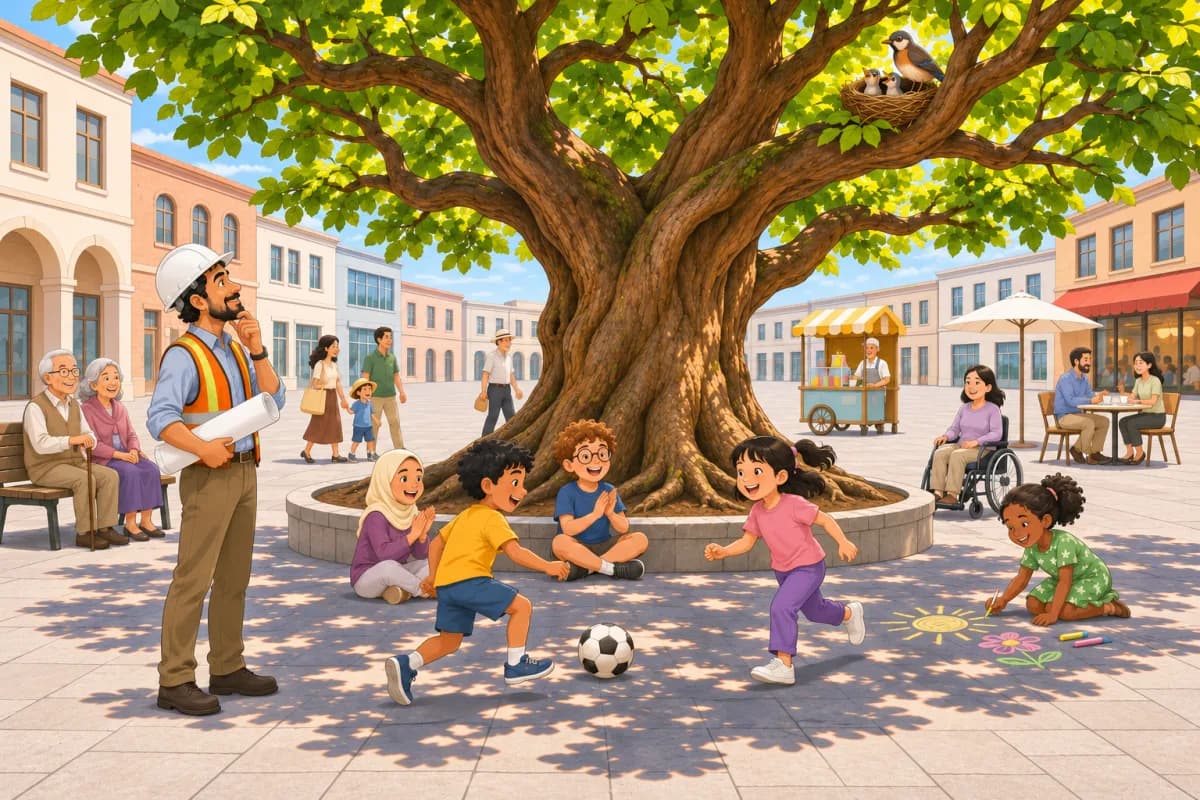
The last tree
B2–C2

The queue
B2–C2

At the same table
B2–C2
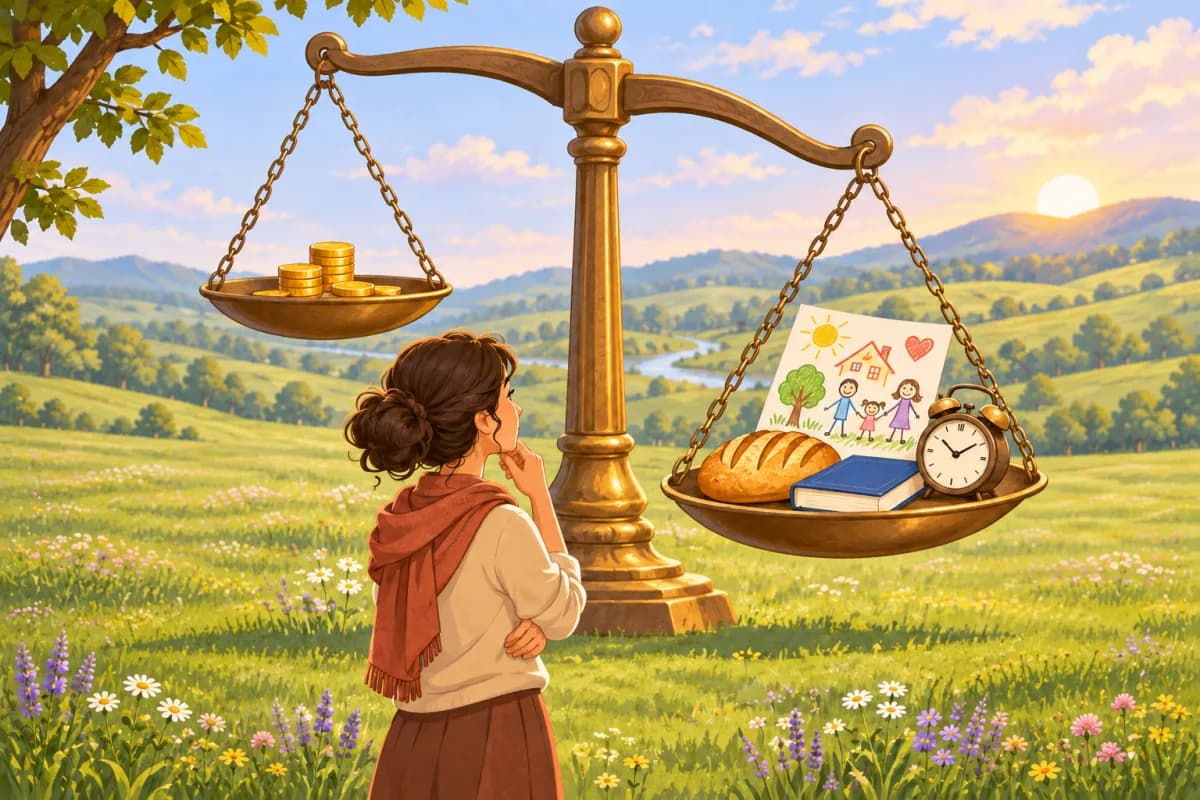
The scales
B2–C2

Night shift
B2–C2
Frequently asked questions
About picture description
Which tense should I use to describe a picture?
Use the present continuous for what is happening in the picture: “The man is pouring tea.” To say what might have happened before, use the past simple or “might have”.
What if I don't know the English word for something?
Don't stop; describe it another way: “the thing you use to…”, “a kind of…”. Keeping the conversation going matters more than finding one word.
How long should I speak?
Four or five sentences are enough at first. As your level rises, aim for a minute or two with details, interpretation and guesses.
How does picture description work on babilspeak?
You see a scene on screen and describe it out loud to your partner. Your partner can't see the picture and asks questions to help you say more. After the conversation you get a written assessment and correction cards.
- A written assessment after every conversation
- Correction cards from your mistakes, with spaced review
- Scenes ordered by level
Describe a picture out loud today.
Picture description is included in the free trial; no card needed.